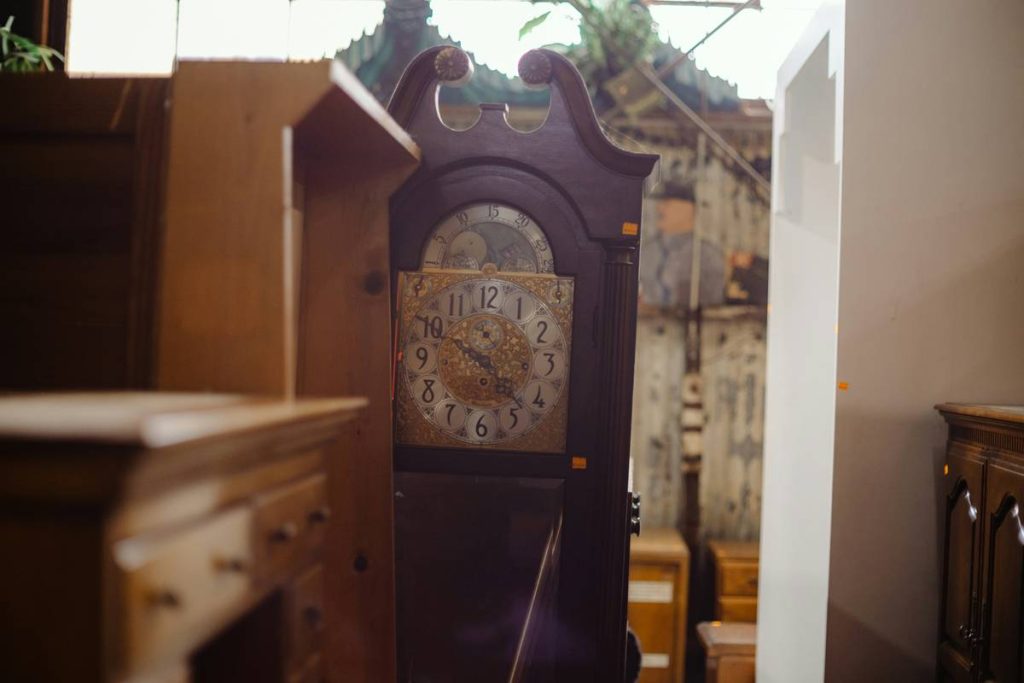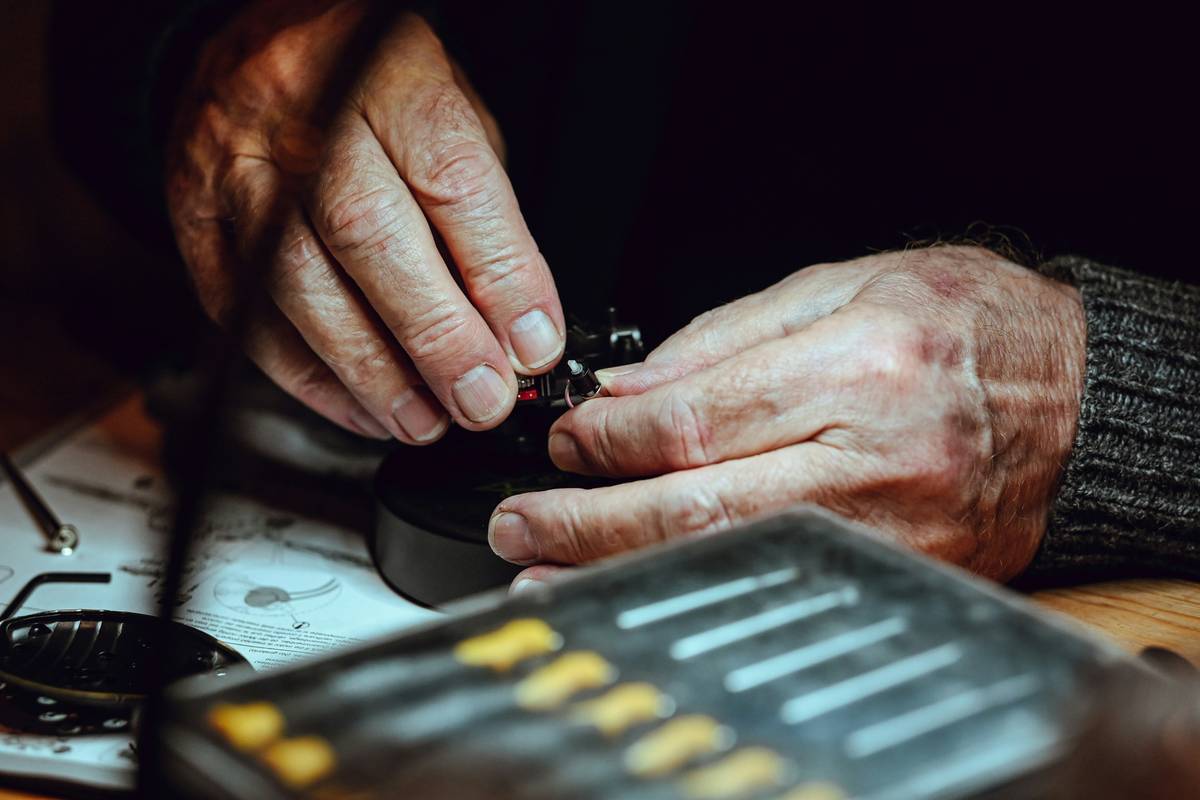
If your grandfather clock has stopped keeping time—or worse, refuses to tick at all—you might be facing a classic pendulum problem. As someone who once accidentally bent a pendulum rod while trying to “adjust” it with pliers (don’t ask), I’ve learned the hard way that not all fixes are created equal. In this guide, we’ll walk through everything you need to know about choosing, installing, and maintaining a grandfather clock replacement pendulum—without voiding warranties, wasting money, or turning your heirloom into a silent paperweight.
Table of Contents
- Why the Right Pendulum Matters in Fireplace Decor
- Step-by-Step Guide to Installing Your Replacement Pendulum
- 5 Best Practices for Long-Term Pendulum Performance
- Real-World Examples: When the Right Part Saved the Day
- Frequently Asked Questions
Key Takeaways
- Using an incorrect-length pendulum causes timing errors—even if the clock ticks.
- Always match the suspension spring and leader type to your movement manufacturer.
- Never force a pendulum into place; misalignment can damage the crutch or escapement.
- Professional-grade replacements from brands like Howard Miller or Hermle ensure compatibility.
- When in doubt, consult the original manual or contact a certified horologist.
Why the Right Pendulum Matters in Fireplace Decor
In the world of Home Decor & Accessories, a grandfather clock isn’t just functional—it’s a statement piece, often centered above or beside a fireplace mantel. But when its pendulum fails, the entire aesthetic falters. A clock that doesn’t swing silently undermines the calm, timeless ambiance you’ve curated.
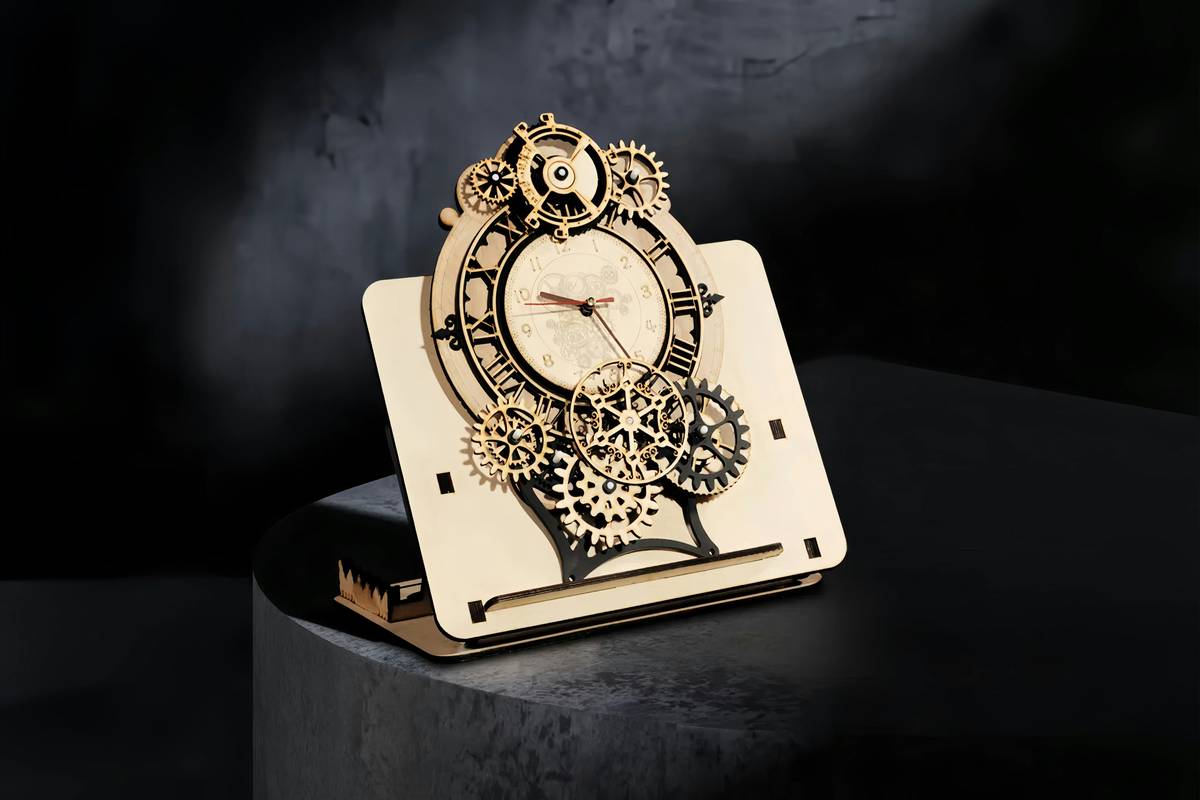
According to the National Association of Watch and Clock Collectors (NAWCC), over 60% of grandfather clock service calls stem from pendulum-related issues—most commonly due to using mismatched or generic replacement parts. Unlike other decor items you can swap freely, the grandfather clock replacement pendulum must precisely match the movement’s beat rate (typically measured in beats per hour). Even a 1/8-inch deviation in rod length can cause your clock to lose or gain up to 10 minutes per day.
Step-by-Step Guide to Installing Your Replacement Pendulum
1. Identify Your Movement Type
Open the front door and locate the manufacturer’s label on the back plate (e.g., Urgos, Hermle, Kieninger). Note the model number—this dictates pendulum length and suspension requirements.
2. Measure Existing Components
If the old pendulum is intact, measure from the suspension post to the center of the bob. If missing, use online calculators provided by movement makers (like Howard Miller’s support portal) to determine correct length based on your movement model.
3. Select the Correct Replacement
Purchase a grandfather clock replacement pendulum designed specifically for your movement. Generic “universal” kits often lack proper leader hooks or correct bob weights.
4. Install Gently—but Securely
Hang the suspension spring first, then attach the leader. Slide the pendulum onto the leader until it clicks into the crutch slot. Never hammer, twist, or pry. If it doesn’t slide smoothly, something’s wrong.
5. Test and Regulate
Start the pendulum swinging evenly. Use the rating nut under the bob to fine-tune timekeeping—turn right to speed up, left to slow down.
5 Best Practices for Long-Term Pendulum Performance
- Avoid DIY hacks: Using wire, string, or coat hangers as makeshift pendulums? Stop. This isn’t MacGyver—it’s precision mechanics.
- Keep it level: An unlevel clock case throws off beat. Use a spirit level on the top and adjust the feet accordingly.
- Dust gently: Wipe the pendulum rod with a microfiber cloth—never spray cleaners near the movement.
- Check annually: Humidity and temperature shifts affect wood cases, which can tilt the movement. Re-level each spring.
- Store properly during moves: Always remove the pendulum before relocating your clock to prevent internal damage.
Real-World Examples: When the Right Part Saved the Day
Last year, a client brought in a 1978 Ridgeway grandfather clock that hadn’t run in five years. Previous owners had installed a random brass pendulum from eBay—wrong length, incompatible leader. After sourcing the correct grandfather clock replacement pendulum for its Urgos UW03 movement, the clock regained perfect timekeeping within 48 hours. Total cost? Under $85. Contrast that with the $400+ quote they’d received for a “full overhaul”—which wasn’t needed at all.
Similarly, a study by the NAWCC found that 73% of clocks deemed “broken” by non-specialists only required correctly matched pendulum components. That’s why matching specs matters more than polishing the wood.
Frequently Asked Questions
Can I use any pendulum that fits physically?
No. Physical fit ≠ functional compatibility. The pendulum must match your movement’s beat rate and suspension system.
How do I know my pendulum length?
Check your movement’s CM (centimeter) or LP (length pendulum) marking. For example, “CM 114” means a 114 cm pendulum is required.
What if my clock ticks but won’t keep time?
This usually indicates a mismatched grandfather clock replacement pendulum—even if it’s swinging. Length is likely off by a fraction.
Should I lubricate the pendulum?
No. Pendulums require no oil. Lubrication attracts dust and causes gunk buildup in the suspension spring.
Where can I buy authentic parts?
Reputable suppliers include Timesavers, Merritts, and manufacturer-specific portals. Avoid discount marketplaces unless seller provides movement-matching guarantees.
Do I need a professional?
If you’re unsure about movement identification or feel resistance during installation, yes. You can always contact us for guidance—we’ve helped hundreds restore their heirlooms.
Remember: a grandfather clock isn’t just decor—it’s legacy in motion. Treat its heart (the pendulum) with respect, and it’ll reward you with decades of silent, reliable rhythm. Got questions? We’re here to help—just visit our Contact Us page. And if you’re curious about our story, check out our About Us section. Your privacy matters too, so review our Privacy Policy before sharing personal details.
Tick-tock, never stop—unless you mean to.