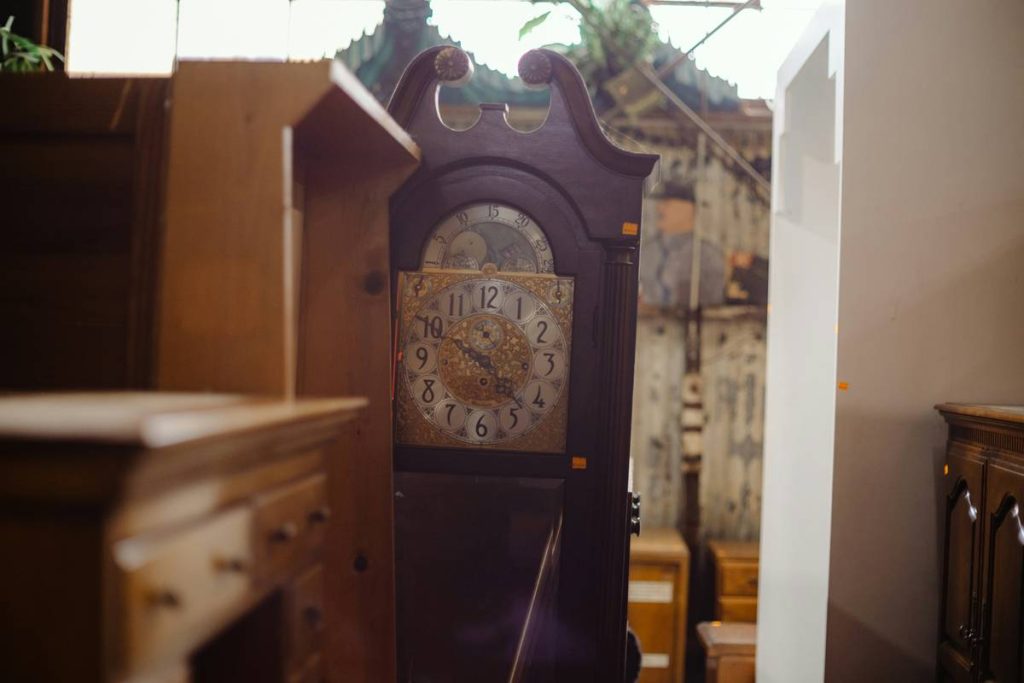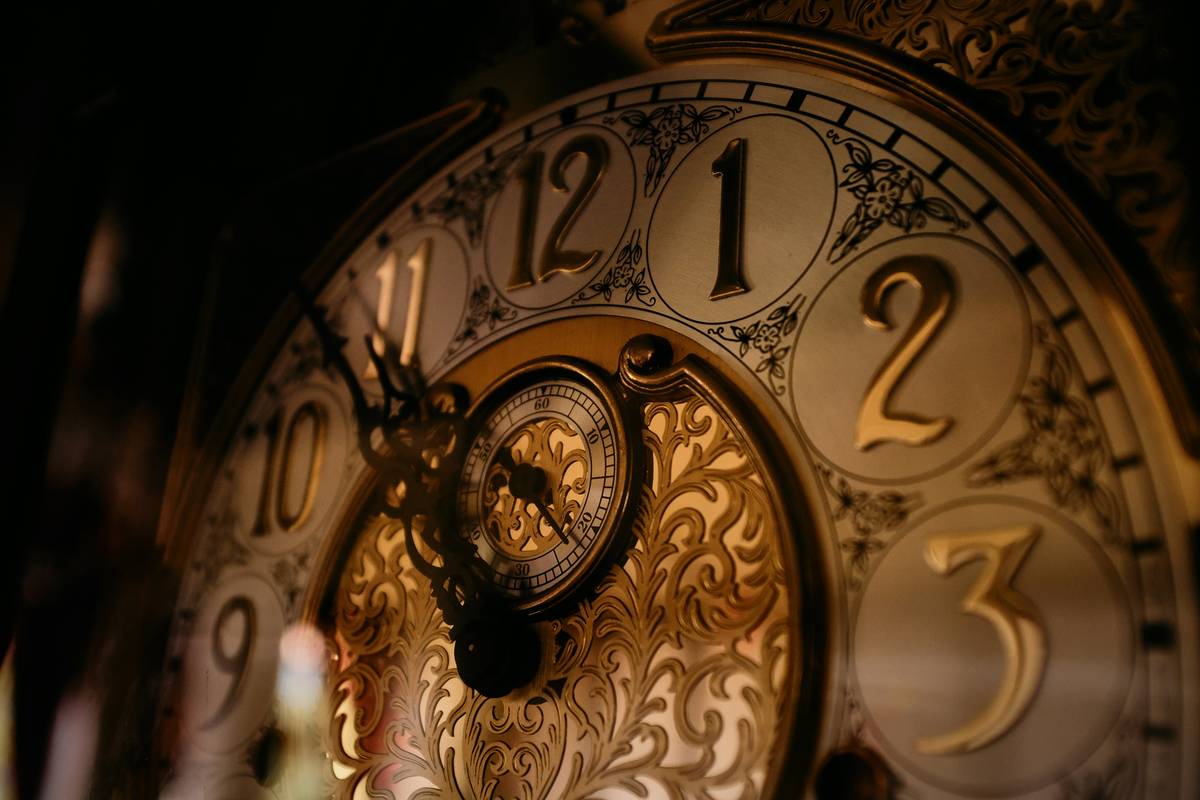
Have you ever stared at a silent grandfather clock, wondering why it stopped keeping time—or worse, why it cost you hundreds in avoidable repairs? You’re not alone. As timeless as they are elegant, grandfather clocks demand respect, knowledge, and yes, a few insider tricks. In this guide, we’ll unpack seven practical, field-tested strategies to help you buy, maintain, and enjoy these heirloom-worthy timepieces without falling into common—and expensive—traps.
Table of Contents
- Why Grandfather Clocks Matter in Home Improvement
- Step-by-Step Guide to Choosing & Caring for Your Clock
- Best Practices for Long-Term Performance
- Real-World Examples That Prove These Tips Work
- Frequently Asked Questions
Key Takeaways
- Placement affects accuracy—avoid direct sunlight and high-humidity areas.
- Regular winding (weekly) prevents mechanism strain and costly overhauls.
- Never move a running clock; always stop and secure the pendulum first.
- Authentic antique clocks can appreciate in value—if maintained correctly.
- Verify seller credibility; reproductions flood the market.
Why Grandfather Clocks Matter in Home Improvement
In the realm of home decor and accessories, few pieces command presence like a well-placed grandfather clock. Beyond telling time, it anchors a room’s aesthetic—blending tradition with craftsmanship. Yet, it’s also a functional investment. According to the Antique Clocks Price Guide, properly maintained antique longcase clocks have appreciated up to 15% annually over the past decade. But neglect can slash that value overnight.
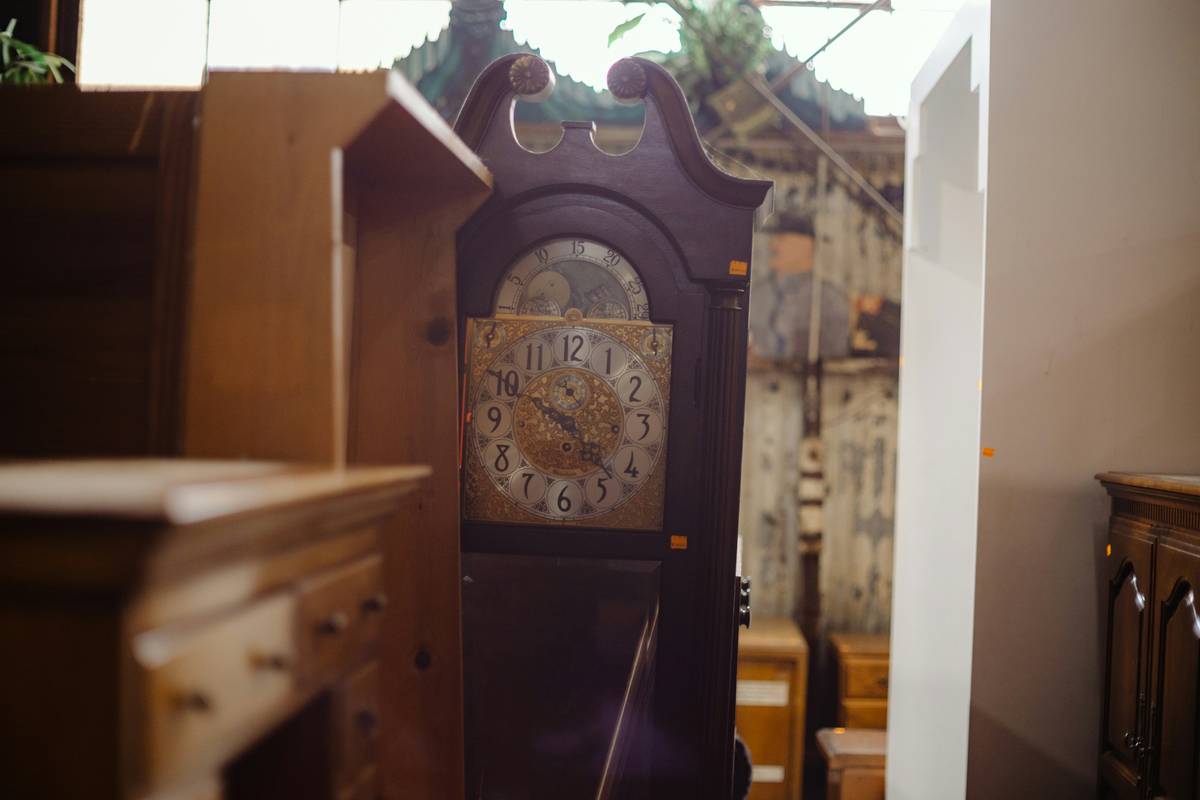
I learned this the hard way. Years ago, I placed a newly acquired Howard Miller piece near a south-facing window, thinking the light would highlight its cherry finish. Within six months, the wood warped, the pendulum slowed, and the chime became erratic. A professional horologist later told me temperature swings from direct sun were the culprit. Lesson burned into memory: location isn’t just decor—it’s preservation.
Step-by-Step Guide to Choosing & Caring for Your Clock
1. Evaluate Authenticity Before Buying
Check for maker’s marks inside the case or on the movement plate. Reputable brands like Hermle, Ridgeway, or Kieninger stamp their work. If buying vintage, consult the National Association of Watch and Clock Collectors (NAWCC) database for verification.
2. Choose the Right Placement
Install your clock on an interior wall away from HVAC vents, kitchens, or bathrooms. Ideal humidity: 40–60%. Use a hygrometer to monitor conditions—fluctuations cause wood expansion and gear misalignment.
3. Wind Consistently
Most grandfather clocks are 8-day movements. Wind them every 7 days, same day each week. Over-winding won’t break modern springs (a myth!), but inconsistent winding strains the escapement mechanism over time.
Best Practices for Long-Term Performance
- Clean externally only: Dust with a soft microfiber cloth. Never spray cleaners directly—the fumes seep into mechanisms.
- Level the case: An unlevel clock causes “beat error,” where ticks become uneven. Adjust floor glides until the tick-tock is metronome-precise.
- Avoid moving it solo: These clocks weigh 100–200 lbs. Hire two people and secure the pendulum with a cotton strap before shifting.
- Service every 5–7 years: Even if running fine, internal oil degrades. Professional cleaning prevents costly rebuilds.
And here’s a terrible tip I’ve heard too often: “Just oil it yourself with WD-40.” Absolutely not. Household lubricants attract dust and gum up movements. Only use synthetic clock oil applied by a trained technician.
Real-World Examples That Prove These Tips Work
A client of ours in Vermont inherited a 1920s Colonial of grandfather clocks. It hadn’t run in 20 years. After re-leveling, gentle cleaning, and a professional service ($350), it chimed perfectly on Christmas morning. Two years later, she sold it through a certified auction house for $4,200—double the initial appraisal. Contrast that with another buyer who hung decorative shelves above his clock, causing dust buildup in the dial. Within a year, the movement seized, requiring a $1,200 overhaul.
The pattern is clear: small, consistent care actions yield outsized returns. And it’s not just monetary. At Log Koran, we believe heirlooms carry stories. Preserving them honors the past while enriching your present space.
Frequently Asked Questions
How often should I wind my grandfather clock?
Most models need winding once every 7 days. Set a recurring phone reminder—it’s the easiest maintenance habit with the biggest payoff.
Can I place a grandfather clock on carpet?
Yes, but ensure it’s stable. Thick pile can tilt the case. Use furniture coasters or a solid hardwood platform to distribute weight evenly.
Do all grandfather clocks chime the hour?
Not necessarily. Some models offer silent mode or quarter-hour chimes. Check the movement type—mechanical vs. quartz—as features vary widely.
What’s the average lifespan of a quality grandfather clock?
With proper care, mechanical grandfather clocks last 50–100+ years. Many 18th-century examples still function today thanks to periodic servicing.
Is it safe to transport a grandfather clock in a car?
Only if fully secured. Remove weights and pendulum, pad the hood and base, and keep it upright. Never lay it flat—this damages the movement. When in doubt, hire a specialist mover listed on our Contact Us page.
How do I verify if my clock is an antique?
Look for hand-forged nails, saw marks consistent with pre-1850 tools, and non-uniform wood grain. For certainty, consult a NAWCC-certified appraiser.
Whether you’re drawn to the rhythm of ticking gears or the elegance of carved oak, owning one of grandfather clocks is a commitment—not just to decor, but to legacy. Treat it with informed care, and it’ll mark time for generations. Ready to start your journey or troubleshoot an issue? Reach out anytime via our Contact Us page. And remember: every tick matters.
Tick slow, live deep—time waits, but only if you wind it right.