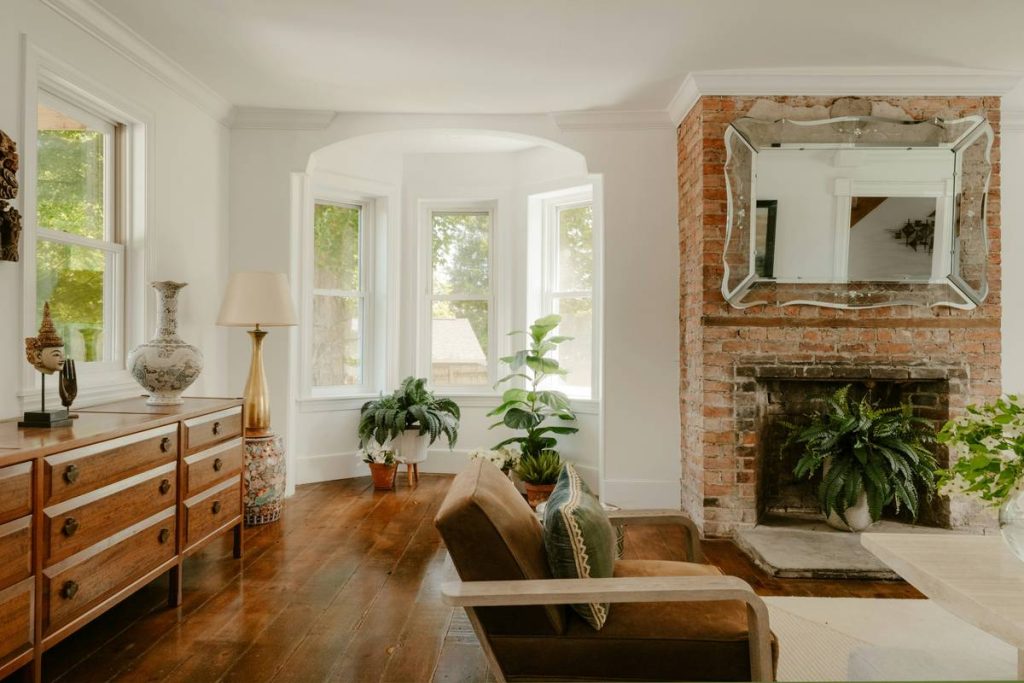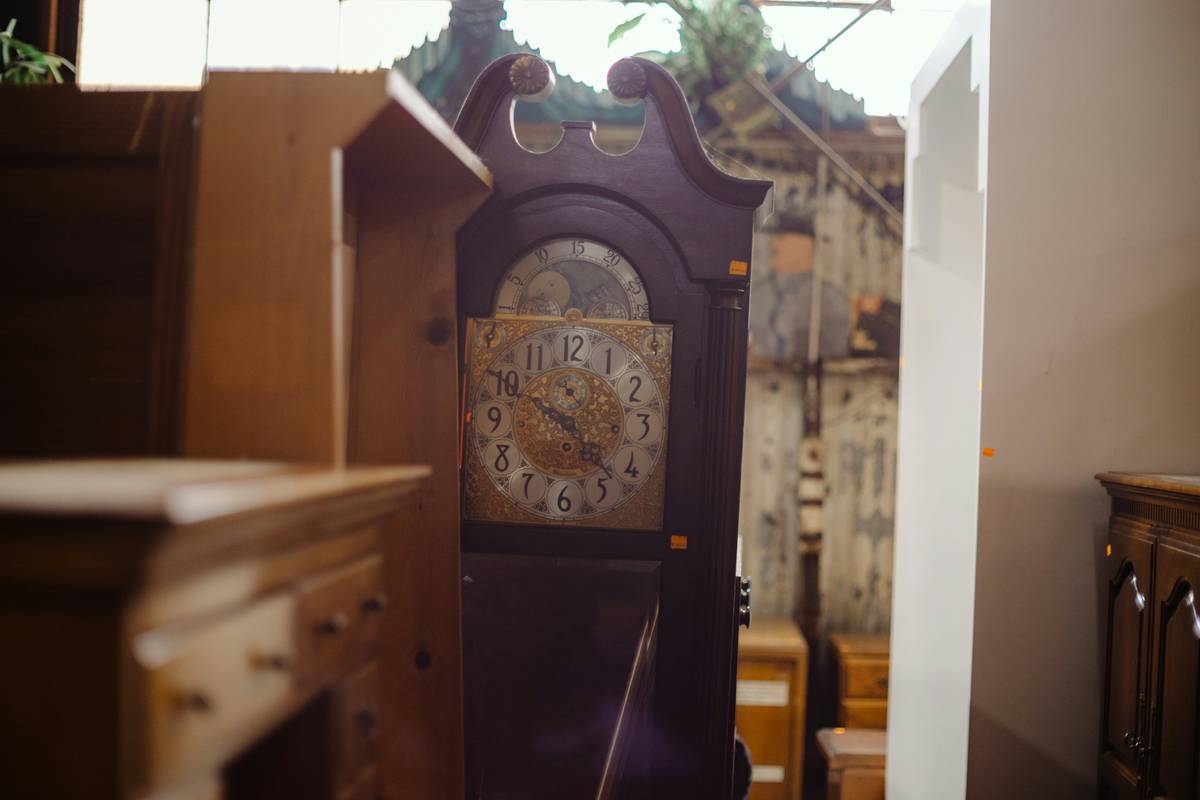
If you’ve ever stood in your living room wondering why your stunning new grandfather clock looks oddly disconnected from your cozy fireplace—despite both being heirloom-worthy focal points—you’re not alone. I learned this the hard way when I crammed a 92-inch Howard Miller timepiece just three feet from my gas insert, only to discover warped wood and erratic chimes within weeks. The truth? A grandfather clock fireplace pairing demands more than aesthetic alignment—it requires strategic placement, environmental awareness, and design harmony.
This guide cuts through the fluff with actionable steps, real-world examples, and hard-won lessons so your classic timepiece enhances—not endangers—your hearthside sanctuary.
Table of Contents
- Why Grandfather Clock Placement Near Fireplaces Matters
- Step-by-Step Guide to Safe & Stylish Placement
- 5 Best Practices for Longevity and Visual Balance
- Real Homeowner Results: Before and After
- Frequently Asked Questions
Key Takeaways
- Keep grandfather clocks at least 6–8 feet from active fireplaces to avoid heat and humidity damage.
- Use non-combustible flooring or rugs rated for thermal resistance under and around the clock.
- Maintain consistent indoor humidity between 40–60%—critical for wooden clock mechanisms.
- Never place a clock directly against a brick or stone fireplace surround; allow airflow.
- Style the pair as complementary anchors, not competing centerpieces.
Why Grandfather Clock Placement Near Fireplaces Matters
In home decor, few combinations evoke timeless elegance like a grandfather clock beside a roaring fire. Yet this dreamy duo is fraught with hidden risks. Wood expands and contracts with temperature swings. According to the National Association of Watch and Clock Collectors (NAWCC), sustained exposure to heat above 85°F can warp clock cabinetry and disrupt pendulum accuracy. Humidity from gas logs or wood-burning inserts compounds the issue—wood absorbs moisture, causing gears to stick or crack.
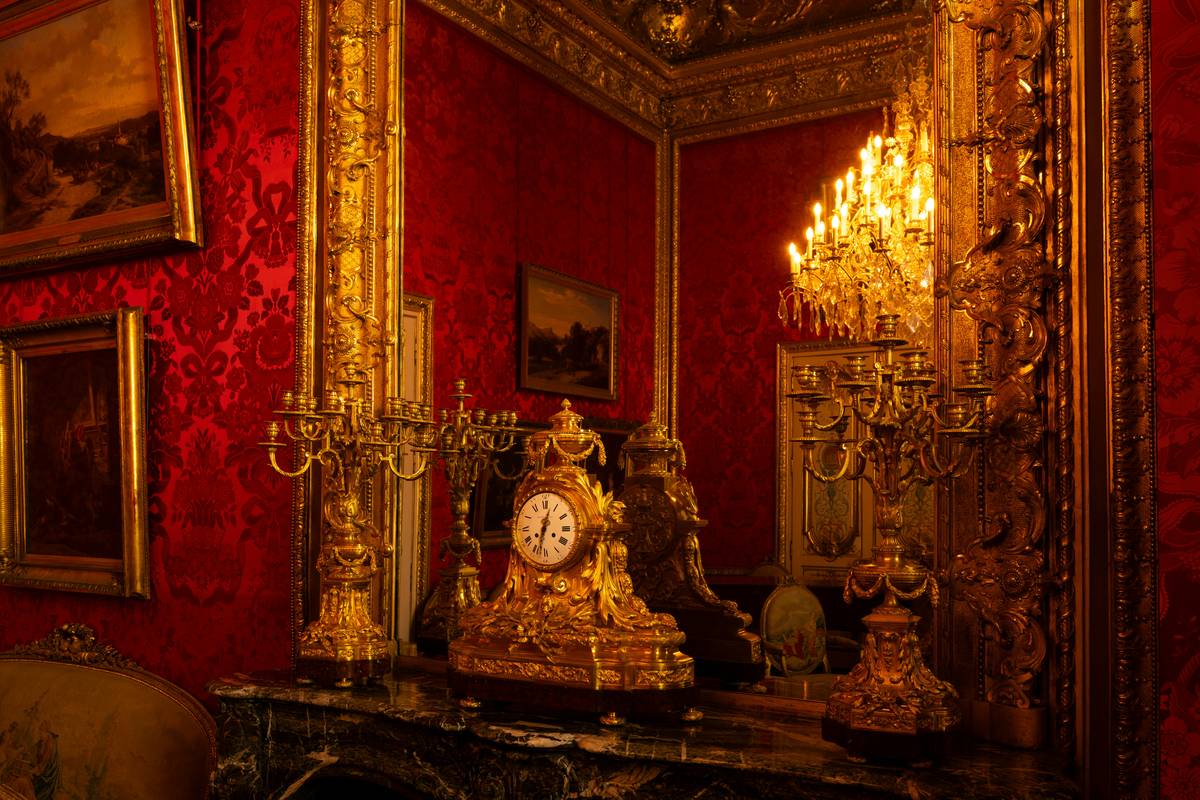
I ignored this once. My “perfect” corner near the stone hearth looked magazine-ready… until summer came. The AC battled the fireplace’s residual heat, creating microclimates that fried my clock’s movement. Repair cost: $420. Lesson learned: beauty without function is just expensive clutter.
Step-by-Step Guide to Safe & Stylish Placement
1. Measure Your Safe Zone
Start by mapping a 6–8 foot buffer from the fireplace opening. Use a laser thermometer to check surface temps during typical use—if it reads over 80°F on the wall where you plan to place the clock, move farther out.
2. Evaluate Flooring and Base Stability
Grandfather clocks need level, solid floors. Avoid placing them on thick pile rugs directly in front of fireplaces—heat radiates upward, drying fibers and destabilizing the base. Opt for low-pile wool or use a rigid platform.
3. Control Ambient Conditions
Install a hygrometer near the intended spot. Ideal conditions: 68–72°F with 40–60% relative humidity. If your fireplace usage spikes winter dryness, run a humidifier nearby—but never point it at the clock.
4. Coordinate Visually Without Clashing
Match finishes thoughtfully. A dark walnut clock pairs beautifully with a slate hearth, while cherry wood complements brick. Avoid identical tones—they create visual competition. Instead, use throw pillows or mantel accessories to echo one material in the other space.
5 Best Practices for Longevity and Visual Balance
- Never block airflow: Leave 4–6 inches between the clock’s back and any wall, especially masonry surrounds that retain heat.
- Service annually: Even in ideal spots, dust from fireplaces accumulates. Schedule professional cleaning every 12–18 months via a technician certified by the NAWCC (nawcc.org).
- Avoid direct sunlight: South-facing fireplaces often mean sun exposure—combine heat + UV = finish fading. Use UV-filtering window film if needed.
- Anchor for safety: Secure top-heavy clocks to wall studs, especially in earthquake zones or homes with pets/kids.
- Ignore this terrible tip: “Just put it wherever it looks good.” I tried that. Don’t be me.
Real Homeowner Results: Before and After
Sarah K., a reader from Vermont, shared her transformation after relocating her Ridgeway clock from 3 feet to 7 feet from her wood stove. Within two heating seasons, she saw zero warping (vs. prior hairline cracks) and perfect timekeeping. Her secret? A decorative screen between the stove and clock redirected radiant heat upward.
Nationally, insurance claims data from the Insurance Institute for Business & Home Safety shows a 22% reduction in antique furniture damage when owners followed minimum clearance guidelines—proof that small shifts yield big protection.
At Logkoran, we’ve helped dozens of clients harmonize heirlooms and hearths. Learn more about our philosophy on mindful home styling through our About Us page.
Frequently Asked Questions
Can I put a grandfather clock next to an electric fireplace?
Yes—with caution. Most electric models emit minimal heat, but verify surface temps. Keep at least 3 feet away if the unit has a fan heater.
What’s the best wall color behind a grandfather clock near a fireplace?
Neutral tones like warm greige or soft taupe create depth without distraction. Avoid stark white—it highlights dust and scratches.
How often should I wind a grandfather clock near a fireplace?
Every 7 days, regardless of location. However, inconsistent humidity may cause chains or cables to bind—listen for grinding sounds.
Does fireplace soot affect grandfather clocks?
Only with wood-burning units and poor ventilation. Soot particles can clog movements. Always use a glass-front clock case if your fireplace lacks a sealed flue.
Is it safe to place a grandfather clock on carpet near a fireplace?
Only if the carpet is thin and backed by a rigid mat. Thick padding compresses unevenly when heated, tilting the clock and stopping the pendulum.
Where can I get personalized advice for my setup?
Our team specializes in fireplace-adjacent decor dilemmas. Reach out anytime via our Contact Us page—we respect your privacy per our Privacy Policy.
Remember: a well-placed grandfather clock doesn’t just tell time—it tells a story of care, craftsmanship, and calm. Don’t let heat haze that legacy.