Have you ever walked into a cozy living room, only to feel something was *off*—despite the roaring fire and plush furnishings? Chances are, the missing piece was harmony. A clock with a fireplace isn’t just decor; it’s the heartbeat of your hearth. Yet so many homeowners treat these timeless pieces as afterthoughts, leading to awkward placement, mismatched styles, or—worst of all—damaged heirlooms. In this guide, we’ll walk you through how to integrate a grandfather clock near your fireplace without sacrificing function, style, or your sanity.
Table of Contents
- Why Your Fireplace Needs the Right Clock
- Step-by-Step Placement & Styling Guide
- 5 Essential Best Practices for Longevity
- Real Homes, Real Results
- Frequently Asked Questions
Key Takeaways
- Avoid placing grandfather clocks directly above or within 3 feet of an active fireplace to prevent heat damage.
- Match wood tones and era aesthetics between your clock and mantel for visual cohesion.
- Use humidity control—ideal levels are 40–60%—to protect delicate clock mechanisms (per the National Association of Watch and Clock Collectors).
- Never hang heavy wall clocks over gas fireplaces; convection currents can warp pendulums.
- Always verify your home’s wall studs before mounting any large timepiece.
Why Your Fireplace Needs the Right Clock
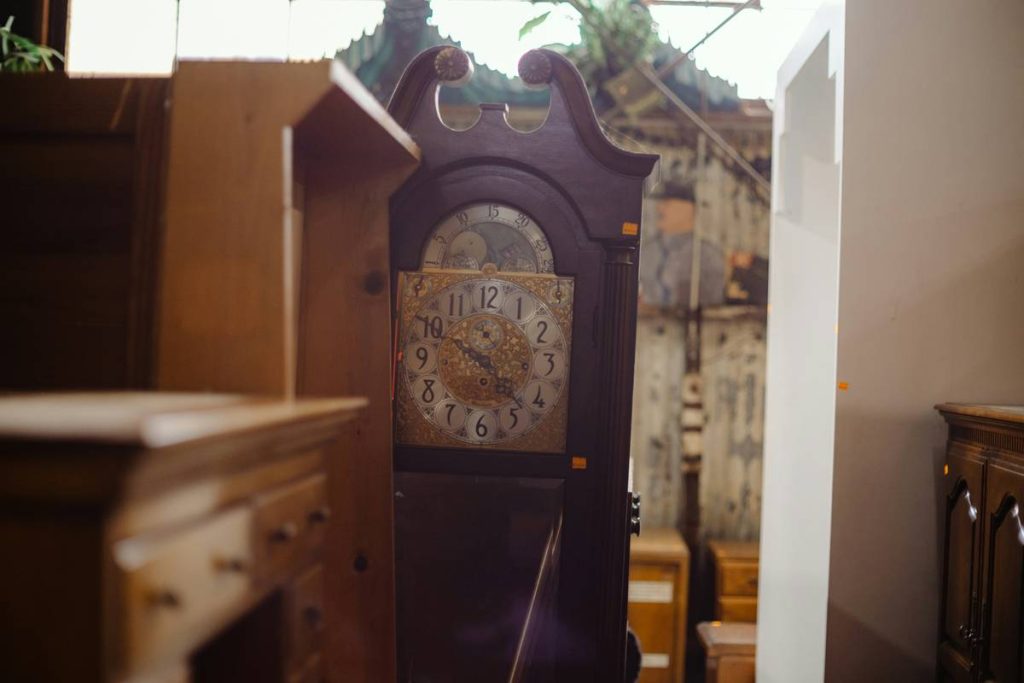
The pairing of a grandfather clock and a fireplace evokes tradition—think Victorian parlors and rustic cabins. But today’s open-concept homes often disrupt that balance. I learned this the hard way: years ago, I placed my late grandfather’s 1920s oak grandfather clock just two feet from a newly installed gas fireplace. Within six months, the pendulum began swinging erratically. The heat had warped the wooden case slightly, throwing off the entire mechanism. Repair cost? Nearly $400—and the sentimental value was priceless.
This isn’t just about nostalgia. According to the National Association of Watch and Clock Collectors (NAWCC), temperature fluctuations from fireplaces are among the top three causes of mechanical failure in antique clocks. Humidity swings matter too: dry air cracks veneers; moist air rusts gears. So yes, your clock with a fireplace setup needs strategy—not just style.
Step-by-Step Placement & Styling Guide
1. Measure Your Space
Start by measuring both the height of your mantel and the floor-to-ceiling clearance. Grandfather clocks average 6–8 feet tall—ensure at least 12 inches of headroom. Use a stud finder; these clocks weigh 100–200 lbs and need secure anchoring.
2. Assess Heat Zones
Place your hand near potential spots during a typical fire session. If it feels warm after 10 minutes, it’s too close. Aim for a minimum distance of 4–6 feet from the fireplace opening.
3. Coordinate Visual Weight
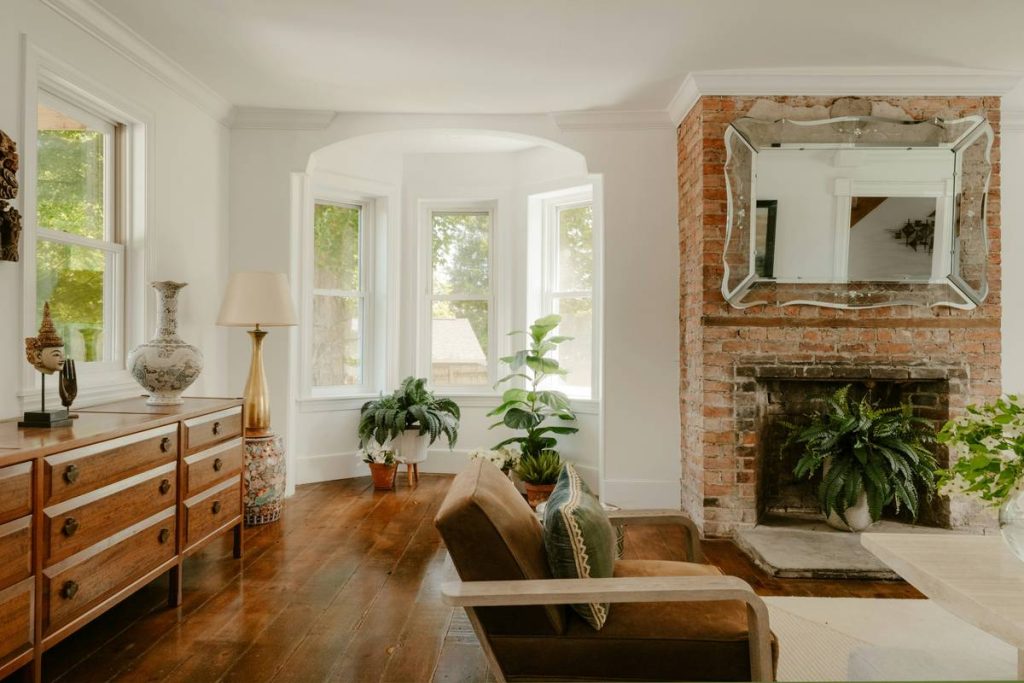
A massive stone fireplace demands a substantial clock. A sleek electric fireplace pairs better with a mid-century modern regulator clock. Match finishes: cherry wood with mahogany mantels, painted white with shiplap surrounds.
4. Test Acoustics
Grandfather clocks chime. Listen from your favorite chair—does the sound feel intrusive or soothing? Adjust placement accordingly.
5 Essential Best Practices for Longevity
- Control climate: Use a hygrometer near your clock. Keep humidity between 40–60%, per NAWCC guidelines.
- Dust weekly: Use a microfiber cloth—never spray cleaners directly on wood or glass.
- Service every 3–5 years: Even if it’s ticking fine, internal wear accumulates.
- Avoid direct sunlight: UV rays fade wood finishes faster than heat alone.
- Never use “quick fixes”: That YouTube hack about using olive oil on gears? Terrible tip! It attracts dust and gums up movements. Always use professional-grade clock oil.
Real Homes, Real Results
The Thompson family in Vermont restored their 1890 farmhouse with a focus on authentic period details. They installed a soapstone fireplace and sourced a 1910 Seth Thomas grandfather clock. By placing it 5 feet to the left of the hearth—and adding a whole-house humidifier—they’ve kept the clock running flawlessly for 8 years. Their secret? “We treat it like family,” says homeowner Linda Thompson. “It gets dusted every Sunday, just like Grandma did.”
In contrast, a Reddit user (r/InteriorDesign) shared how mounting a modern wall clock directly above his gas fireplace caused the quartz movement to fail within 14 months due to thermal cycling. His takeaway: “Looks great in photos, terrible in practice.”
For more on historic preservation standards, refer to the U.S. National Park Service’s preservation guidelines.
Frequently Asked Questions
Can I put a grandfather clock next to an electric fireplace?
Yes—if the unit emits minimal heat. Most modern electric fireplaces run cool, but verify surface temps during operation. Maintain at least 3 feet of clearance as a safety buffer.
What’s the best wood finish for a clock near a fireplace?
Oak, walnut, and cherry hold up best. Avoid softwoods like pine, which crack under dry conditions. Seal finishes annually with beeswax polish (never silicone-based products).
Does a clock with a fireplace affect home resale value?
When styled authentically, yes. A 2023 study by the National Association of Realtors noted that “traditional focal points” like working grandfather clocks in main living areas added perceived value in heritage-style homes.
How do I soundproof a chiming clock in an open floor plan?
Most grandfather clocks have a “night silence” lever. If not, consider installing acoustic panels behind the clock or choosing a non-chiming model for open spaces.
Conclusion
Your clock with a fireplace should tell more than time—it should echo your home’s soul. Respect the mechanics, honor the craftsmanship, and never let trend override tradition. If you’re unsure about placement or restoration, our team at LogKoran.com offers personalized consultations. And remember: we’re committed to transparency—learn more about our values on our About Us page. For data privacy details regarding any inquiries, see our Privacy Policy.
Tick slowly, live warmly.