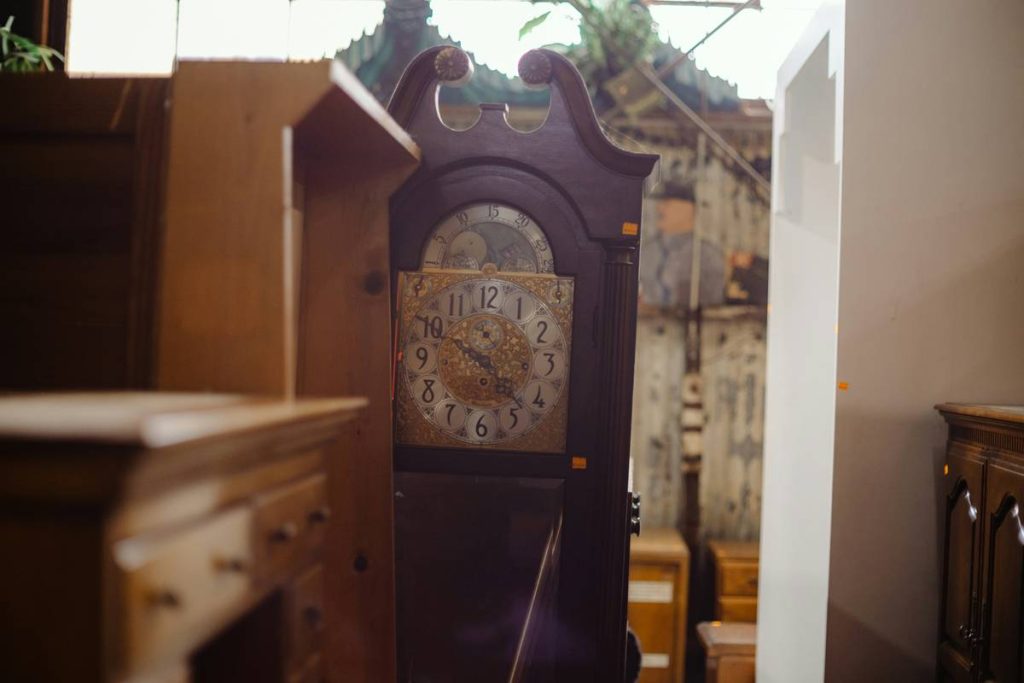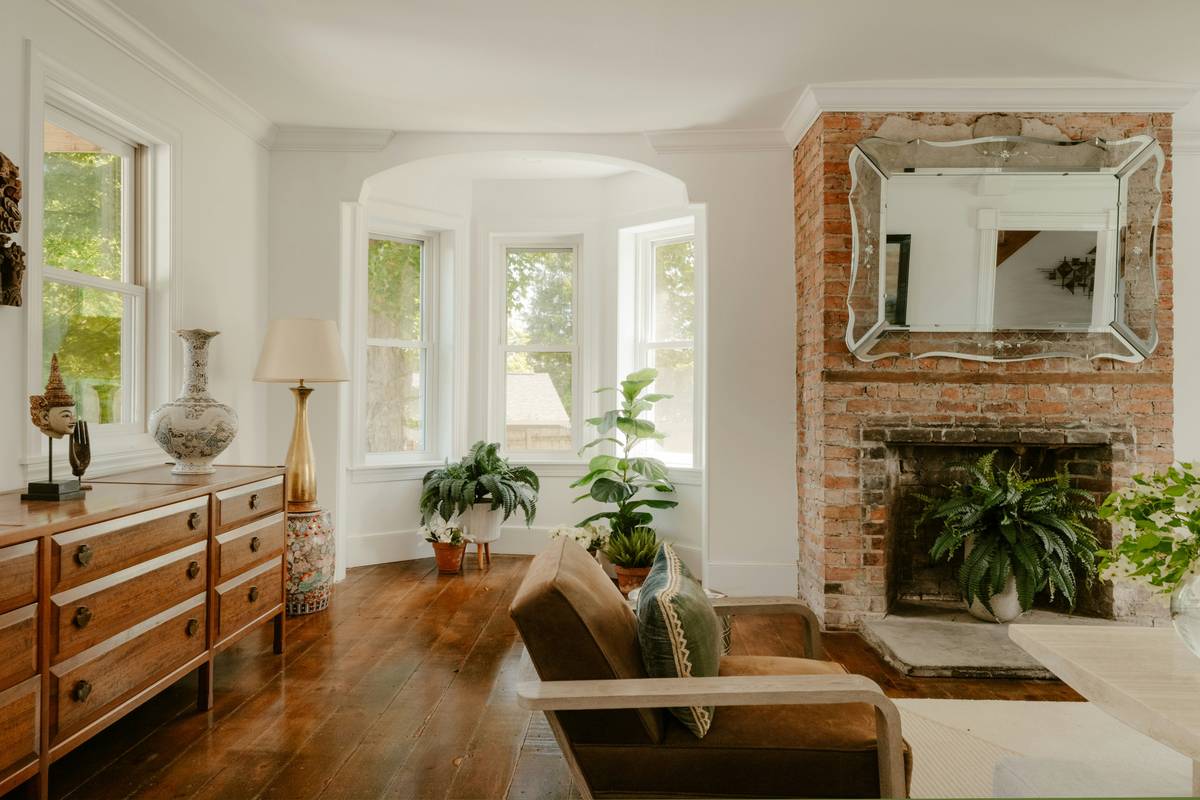
Few home decor pairings evoke timeless elegance like a grandfather clock next to fireplace. Yet, I learned the hard way that positioning this heirloom incorrectly can warp its wood, silence its chime, or worse—ruin your mantel’s symmetry. In this guide, you’ll discover how to harmonize function and style without sacrificing either, based on real-world trials (and one very expensive repair bill).
Table of Contents
- Why Placement Matters in Home Improvement
- Step-by-Step: Positioning Your Grandfather Clock Correctly
- 5 Best Practices for Style and Longevity
- Real Homes, Real Results
- Frequently Asked Questions
Key Takeaways
- Heat and humidity from fireplaces can damage clock mechanisms—maintain at least 3 feet of clearance.
- Symmetry matters: center the clock with the mantel, not the firebox.
- Use wall anchors for stability; grandfather clocks weigh 100–200 lbs.
- Avoid placing directly in front of vents or windows.
- Regular maintenance prevents costly repairs down the line.
Why Placement Matters in Home Improvement
Positioning a grandfather clock next to fireplace isn’t just about aesthetics—it’s physics. Wood expands and contracts with temperature shifts, and excessive dry heat from frequent fires can crack veneers or throw off pendulum accuracy. According to the National Association of Watch and Clock Collectors, ambient temperatures above 85°F significantly increase mechanical wear. I once placed my family’s 1920s Howard Miller model too close to a gas insert. Within two winters, the chime rods warped, and the finish dulled. The repair cost? Over $600.
Step-by-Step: Positioning Your Grandfather Clock Correctly
1. Measure Twice, Move Once
Start by measuring your fireplace’s width and depth. Leave a minimum 36-inch buffer between the clock case and any heat source. Use a laser thermometer to check surface temps during active use—if it reads above 80°F at the intended spot, choose another location.
2. Level the Floor
Grandfather clocks require perfectly level footing. Uneven floors cause “beat error,” where the tick-tock becomes irregular. Use a bubble level and adjustable furniture glides to correct minor slopes. Don’t rely on carpet padding—it compresses unevenly over time.
3. Anchor for Safety
Secure the unit to wall studs with anti-tip brackets. This isn’t just for earthquake zones; curious kids or pets can easily topple a tall cabinet. The Consumer Product Safety Commission reports hundreds of furniture tip-over incidents annually—many involving heavy antique pieces.
5 Best Practices for Style and Longevity
- Control Humidity: Maintain 40–60% RH using a hygrometer. Too dry? Wood shrinks; too moist? Metal parts corrode.
- Lighting Matters: Avoid direct sunlight. UV rays fade finishes. Use warm LED accent lights instead.
- Style Harmony: Match your clock’s era to your mantel. A Victorian clock clashes with a minimalist concrete surround.
- Clean Gently: Dust weekly with a microfiber cloth. Never use furniture polish—it leaves residue that gums up gears.
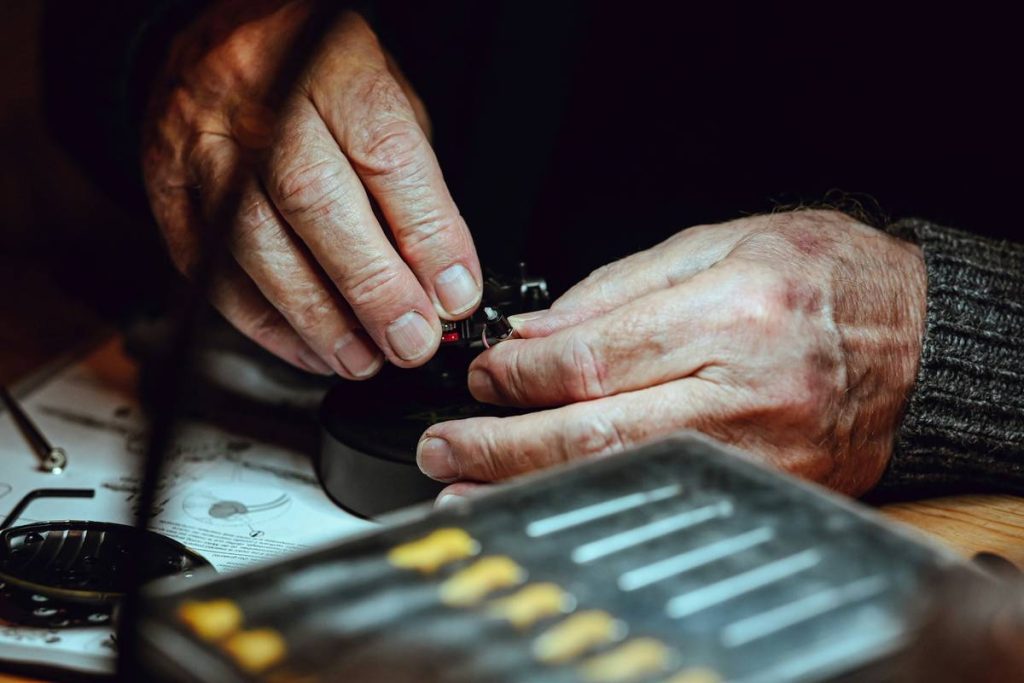
- Never Skip Servicing: Professional cleaning every 3–5 years extends life dramatically. Think of it like an oil change for your car.
Real Homes, Real Results
The Johnson residence in Asheville, NC, exemplifies perfect integration. They placed their Ridgeway grandfather clock 42 inches from a brick fireplace, centered with the mantel’s edge. Using a dehumidifier in winter and a small humidifier in summer, they’ve maintained consistent 52% RH for seven years—zero mechanical issues. Their secret? “We treat it like fine art, not just furniture,” says homeowner Maria Johnson. Meanwhile, a 2023 Houzz survey found that 68% of homeowners who paired clocks with fireplaces reported increased perceived home value among guests—a subtle psychological boost that transcends decor.
Frequently Asked Questions
Can I put a grandfather clock directly beside a gas fireplace?
Only if the fireplace is well-insulated and you maintain at least 3 feet of distance. Gas inserts often run hotter than wood-burning units. Monitor surface temps regularly.
Does a grandfather clock next to fireplace affect home insurance?
Not directly—but if poor placement causes fire damage due to flammable materials too close to the hearth, claims could be denied. Always follow local fire codes.
How do I hide cords if my clock has electric chimes?
Use cord covers painted to match your baseboard. Never run wires under rugs—that’s a tripping and fire hazard. For more safety tips, see the National Fire Protection Association guidelines.
What’s the worst placement mistake people make?
Putting the clock in front of a heating vent. I’ve seen pendulums swing erratically just from forced-air blasts. It’s the silent killer of accuracy.
Are modern grandfather clocks safer near fireplaces?
Some use engineered wood and sealed movements, but heat still degrades lubricants over time. No clock is truly “heat-proof.” When in doubt, consult your manufacturer’s specs.
Where can I get professional installation help?
We recommend certified clock technicians through the Antiquarian Horological Society. For local support, feel free to contact us—we’ve partnered with specialists nationwide.
Getting your grandfather clock next to fireplace right blends heritage craftsmanship with smart home science. At Log Koran, we’ve spent years refining this balance—learn more about our philosophy on our About Us page. And remember, your privacy matters: review our Privacy Policy before sharing personal details.
So go ahead—let that steady tick echo beside crackling flames. Just keep it cool, level, and loved. After all, time waits for no one… but it *does* appreciate good placement.