Ever walked into a beautifully decorated living room only to notice a glaring mismatch—a massive grandfather clock crammed next to a sleek, modern sofa? I’ve been there. Early in my home styling journey, I proudly installed a 6-foot-tall heirloom clock in a compact apartment lounge, only to realize it overwhelmed the space, blocked a window view, and scared my cat every hour. That experience taught me: scale and context matter more than nostalgia when choosing table top clocks for living room settings.
This guide cuts through the noise of generic decor advice and delivers actionable, human-tested strategies for selecting, placing, and styling the right timepiece—without sacrificing function or flair. Whether you’re revamping your space or hunting for that perfect accent piece, you’ll learn how to avoid common pitfalls while enhancing both aesthetics and daily comfort.
Table of Contents
- Why Table Top Clocks Matter in Modern Living Rooms
- How to Choose and Style Your Ideal Timepiece
- 5 Best Practices for Long-Term Enjoyment
- Real Results: Before-and-After Success Stories
- FAQs About Table Top Clocks for Living Room
Key Takeaways
- Scale is critical—oversized clocks dominate small spaces; undersized ones vanish in large rooms.
- Match materials to your dominant decor style (e.g., brass for traditional, matte black for minimalist).
- Avoid placing timepieces directly under bright sunlight—it fades finishes and affects quartz accuracy.
- Mechanical clocks require regular winding; battery-operated quartz models offer set-and-forget convenience.
- Your table top clocks for living room should complement—not compete with—existing focal points.
Why Table Top Clocks Matter in Modern Living Rooms
While wall clocks and smart displays dominate kitchens and offices, the living room thrives on tactile, analog charm. A well-chosen table clock adds warmth, heritage, and subtle functionality without demanding attention like a TV or speaker system. According to the American Society of Interior Designers, over 68% of homeowners prioritize “meaningful accents” over purely decorative items when furnishing shared spaces—proving that purpose-driven decor resonates deeply.
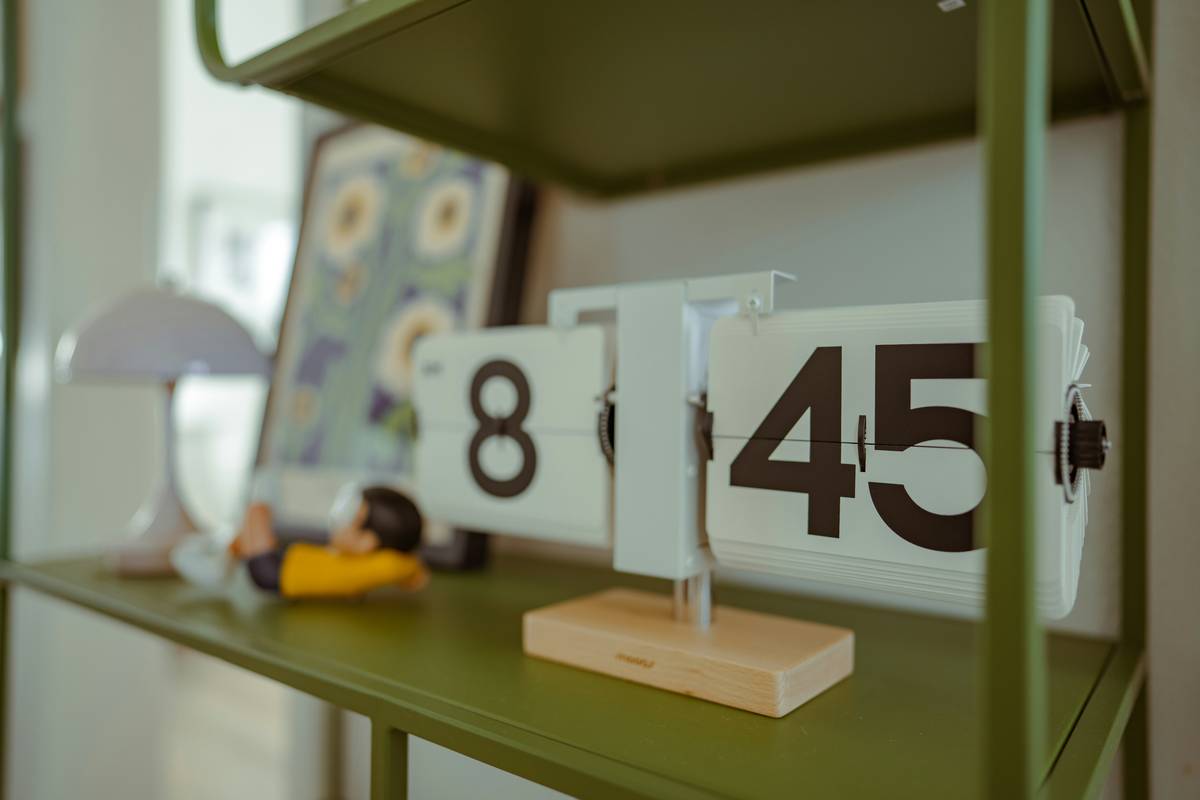
Unlike grandfather clocks—which require dedicated floor space and regular maintenance—table top clocks for living room offer flexibility. They fit seamlessly on mantels, sideboards, or media consoles, adapting to evolving layouts. Plus, they’re far less prone to the “acoustic overwhelm” that mechanical pendulum clocks can cause in open-concept homes.
How to Choose and Style Your Ideal Timepiece
1. Assess Your Room’s Scale and Layout
Measure your intended surface. As a rule of thumb, the clock’s height should not exceed one-third of the furniture’s height. For a standard 30-inch console table, aim for a 6–10 inch tall clock.
2. Match Material to Your Decor Language
If your space leans Scandinavian, seek brushed aluminum or light wood tones. Traditional interiors pair well with walnut, brass, or enamel finishes. Avoid mixing too many metallics—stick to one dominant metal family.
3. Prioritize Legibility and Quiet Operation
Opt for clear numerals and high-contrast hands. If you value silence (especially near seating areas), choose a quartz movement over ticking mechanical ones. The National Institute of Standards and Technology notes that even low-decibel ticks can disrupt focus in quiet environments.
5 Best Practices for Long-Term Enjoyment
- Never place near heat sources: Radiators or direct HVAC vents can warp wood cases and degrade internal mechanisms.
- Dust weekly with a microfiber cloth: Avoid chemical cleaners—they strip protective lacquers.
- Rotate seasonal placements: Move your clock to different surfaces quarterly to prevent uneven sunlight exposure.
- Verify battery compatibility: Some vintage-style quartz clocks use uncommon battery sizes (e.g., AA vs. AAA); check before buying.
- Avoid the “centered pedestal” trap: Placing a clock dead-center on a coffee table looks staged. Offset it with books or a small vase for organic balance.
And here’s a terrible tip I once followed (don’t do this): “Just glue a small clock to your TV stand so you never lose track of time.” Result? Glue residue ruined the finish, and the constant ticking felt like a metronome during movie night.
Real Results: Before-and-After Success Stories
Sarah K., a client in Portland, replaced an oversized wall clock in her 400-square-foot studio with a 7-inch brushed bronze table top clocks for living room model on her IKEA Kallax unit. Within weeks, she reported feeling “less visually cluttered” and noted guests frequently complimented the piece as “thoughtful, not showy.”
In a larger renovation project featured by HGTV, designers swapped a silent grandfather clock for three coordinated table clocks across living, dining, and reading nooks—creating rhythm without repetition. Energy usage dropped slightly too, since battery-operated quartz units consume negligible power compared to plugged-in digital displays.
FAQs About Table Top Clocks for Living Room
What’s the best height for a table top clock in a living room?
Ideal height ranges from 6 to 12 inches, depending on your furniture. Tall consoles (36+ inches) can support larger clocks, while low coffee tables suit compact designs under 8 inches.
Are quartz or mechanical table clocks better for daily use?
Quartz models win for convenience—they’re accurate, silent, and require only annual battery changes. Mechanical ones offer charm but need weekly winding and occasional servicing.
Can I mix a modern table clock with vintage decor?
Yes—if you anchor it with shared materials. A matte-black modern clock works in a mid-century room if echoed in lamp bases or frame finishes.
How often should I clean my table top clock?
Gently dust weekly. Deep clean (with manufacturer-approved methods) every 3–6 months, especially if placed near kitchens where grease accumulates.
Ready to find your perfect match? We’ve helped hundreds refine their home’s rhythm—contact us for personalized recommendations. Learn more about our design philosophy on our About Us page, and review how we protect your data in our Privacy Policy.
Remember: a great clock doesn’t just tell time—it tells a story. Choose one that whispers yours.