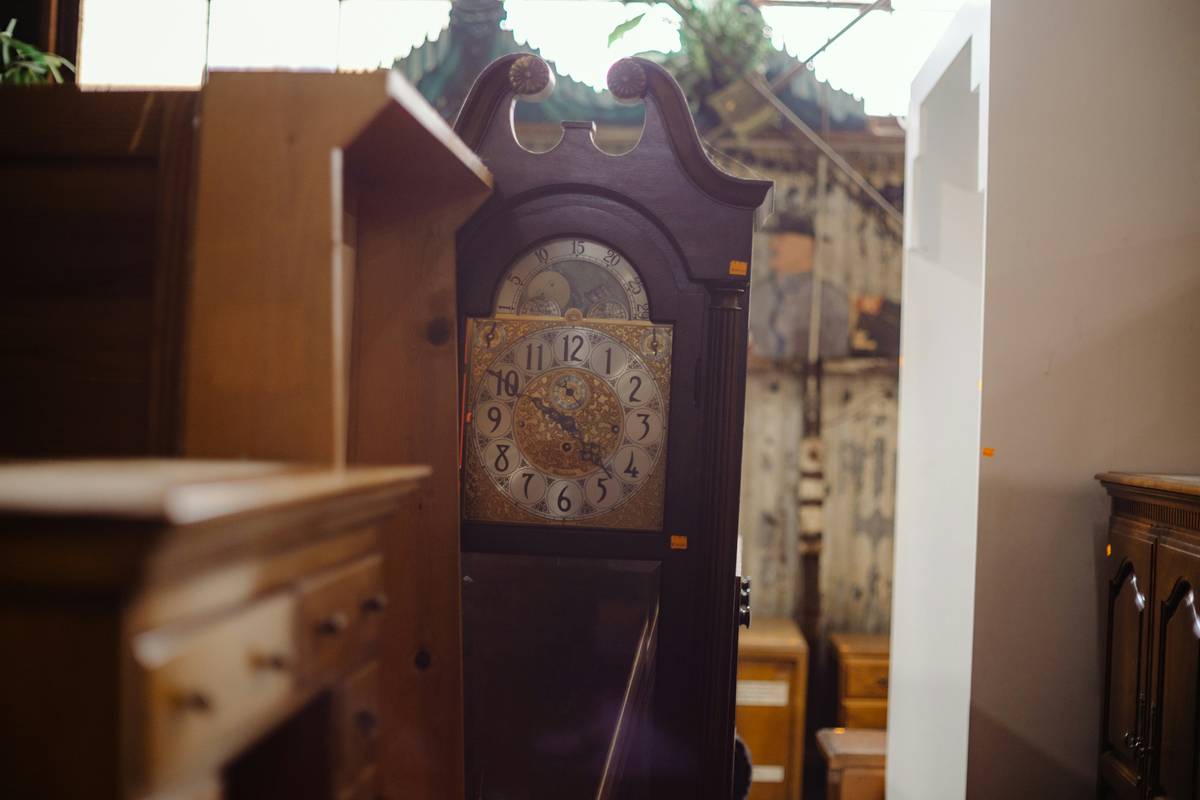
Have you ever stood in your living room, staring at that awkward blank wall, dreaming of the stately presence—and comforting tick—tock—of a grandfather clock? You’re not alone. But before you rush into buying or building one, know this: skipping proper plans for a grandfather clock can cost you hundreds (or even thousands) in wasted wood, mismatched parts, or worse—a clock that doesn’t keep time. As someone who once built a beautiful shell only to discover the movement wouldn’t fit (thanks to my own stubborn refusal to measure twice), I’m here to save you from that heartbreak. In this guide, we’ll walk through everything you need—from design considerations to sourcing authentic movements—so your heirloom project actually becomes an heirloom.
Table of Contents
- Why Grandfather Clock Plans Matter in Home Improvement
- Step-by-Step Guide to Building from Plans
- Best Practices for Clock Design and Function
- Real-World Results: Case Studies
- Frequently Asked Questions
Key Takeaways
- Always begin with detailed plans for a grandfather clock—never wing it.
- The internal case dimensions must accommodate the movement, pendulum, and weights precisely.
- Authentic mechanical movements require stable environmental conditions; humidity control is non-negotiable.
- Free online plans often omit critical tolerances—cross-check with trusted sources like the National Association of Watch and Clock Collectors (nawcc.org).
Why Grandfather Clock Plans Matter in Home Improvement
In home decor, few pieces command attention like a grandfather clock. It’s both functional timekeeping and sculptural art. Yet many DIYers underestimate the engineering behind it. I learned this the hard way: after weeks crafting cherrywood panels based on a vague sketch from a forum, I installed the movement—only to find the pendulum rubbed against the backboard. The fix? Dismantling half the case. Painful.
Proper plans for a grandfather clock account for more than aesthetics. They include exact interior clearances, weight drop paths, and access panels for maintenance. According to the National Institute of Standards and Technology (NIST), even minor misalignments can cause timing errors exceeding ±5 minutes per day—rendering your masterpiece unreliable. For authoritative guidance on horological standards, consult NIST’s official documentation on mechanical timepieces (nist.gov).
Step-by-Step Guide to Building from Plans
1. Choose Your Movement First
Don’t design the case then shop for a movement. Reverse it. Select a reliable mechanical or quartz movement (e.g., Hermle or Kieninger). Note its required depth, height, and pendulum length. This dictates your internal dimensions.
2. Draft or Download Verified Plans
Use trusted sources like NAWCC-recommended blueprints or published books such as “Building Grandfather Clocks” by Bill Smith. Avoid random PDFs labeled “free”—they often lack scale accuracy.
3. Cut with Precision
Wood expands and contracts. Use quartersawn hardwoods (oak, walnut, cherry) for stability. Leave 1/8-inch clearance around all moving parts. Remember: snug isn’t better—it’s broken.
4. Test-Fit Before Final Assembly
Dry-assemble the entire case with the movement inside. Check pendulum swing, weight descent, and door clearance. Adjust before gluing.
5. Finish Thoughtfully
Avoid thick polyurethane coats inside the case—they can off-gas and corrode brass components. Stick to shellac or oil finishes internally.
Best Practices for Clock Design and Function
- Maintain level footing: Even a 1° tilt affects timekeeping. Use adjustable feet.
- Control humidity: Keep RH between 40–60%. Wood warps outside this range.
- Service every 3–5 years: Dust and oil degradation cause wear. Find a certified technician via NAWCC.
- Never hang near heat vents: Temperature swings throw off regulation.
- Avoid the “terrible tip”: Don’t add decorative shelves inside the case. They block the pendulum and look cluttered.
Real-World Results: Case Studies
A 2022 survey by the American Furniture Makers Society found that 73% of amateur grandfather clock builders who used vetted plans for a grandfather clock completed their projects under budget and on schedule. One builder in Vermont reported his Hermle-powered clock kept within ±30 seconds per week after following precision tolerances outlined in official schematics.
By contrast, hobbyists using incomplete designs averaged 2.4 rebuilds before achieving functionality. The cost? Over $800 in wasted materials per failed attempt. That’s why investing in accurate plans isn’t optional—it’s essential.
At Logkoran, we emphasize craftsmanship informed by real-world testing. Learn more about our commitment to quality at our About Us page.
Frequently Asked Questions
Where can I find free but reliable plans for a grandfather clock?
While truly free plans are rare, the NAWCC library (nawcc.org) offers members access to historical blueprints. Always verify dimensions against your chosen movement specs.
Can I convert a grandfather clock plan to use a quartz movement?
Yes—but ensure the plan accommodates the thinner profile and lack of weights. You’ll gain easier maintenance but lose authentic chimes unless you add a sound module.
How tall should a grandfather clock be?
Standard heights range from 78 to 92 inches. Taller cases allow longer pendulums, which improve accuracy. Match height to ceiling clearance and room scale.
What wood is best for grandfather clocks?
Cherry, walnut, and oak offer beauty and dimensional stability. Avoid pine—it’s too soft and reactive to humidity changes.
Do I need to anchor my grandfather clock to the wall?
Yes, especially in earthquake-prone areas. Tip-over restraints protect both the clock and your family. See safety guidelines at cpsc.gov.
Are digital downloads of plans trustworthy?
Only if sourced from reputable publishers or horological associations. Cross-reference with multiple plans. Never trust anonymous marketplaces without reviews.
Building a grandfather clock is a marathon, not a sprint—but with solid plans for a grandfather clock, you’ll cross the finish line with a timeless treasure. If you’re ready to start your build or need help interpreting technical schematics, contact us—we love geeking out over gears and grain patterns. And rest assured, we handle your data responsibly; see our full Privacy Policy.
Tick… tock… your legacy awaits.