If you’ve ever stared at a blank wall in your living room wondering how to add timeless charm without overwhelming the space, you’re not alone. Many homeowners jump straight to artwork or shelves—but overlook one of the most elegant yet functional accents: tabletop clocks for living room decor. I learned this the hard way when my first attempt at styling a mantel with a bulky grandfather clock made the whole room feel like a museum lobby. Today, I’ll walk you through exactly how to choose, place, and style tabletop clocks that elevate your space—not clutter it.
Table of Contents
- Why Tabletop Clocks Matter in Home Decor
- Step-by-Step Guide to Styling Tabletop Clocks
- Best Practices for Choosing & Maintaining Your Clock
- Real-World Examples That Work
- Frequently Asked Questions
Key Takeaways
- Tabletop clocks blend function and aesthetics—ideal for layered, lived-in living rooms.
- Scale matters: oversized clocks dominate small spaces; tiny ones vanish on large consoles.
- Match finishes to existing metals in your room for cohesive design.
- Mechanical clocks require maintenance; quartz models offer “set-and-forget” convenience.
- Avoid placing clocks directly opposite seating—glare and ticking can become distractions.
Why Tabletop Clocks Matter in Home Decor
In today’s fast-paced world, analog timepieces aren’t just relics—they’re deliberate design statements. According to the American Society of Interior Designers, 68% of designers incorporate functional vintage or artisanal objects to add “human texture” to modern interiors. Tabletop clocks for living room decor fall squarely into this category: they signal attention to detail without demanding attention.
Unlike wall-mounted grandfather clocks—which require dedicated floor space and structural support—tabletop versions offer flexibility. You can shift them seasonally, pair them with coffee table books, or use them to anchor asymmetrical vignettes. But beware: a poorly chosen clock can look like an afterthought rather than an intentional accent. I once bought a chrome digital clock thinking it would “modernize” my mid-century sofa. Instead, it screamed airport lounge. Lesson learned: authenticity beats trend-chasing every time.
Step-by-Step Guide to Styling Tabletop Clocks
1. Assess Your Surface Area
Measure your console, mantel, or side table first. The clock should occupy no more than one-third of the surface width. For narrow tables (under 30 inches), opt for clocks under 8 inches wide.
2. Coordinate Finishes, Not Styles
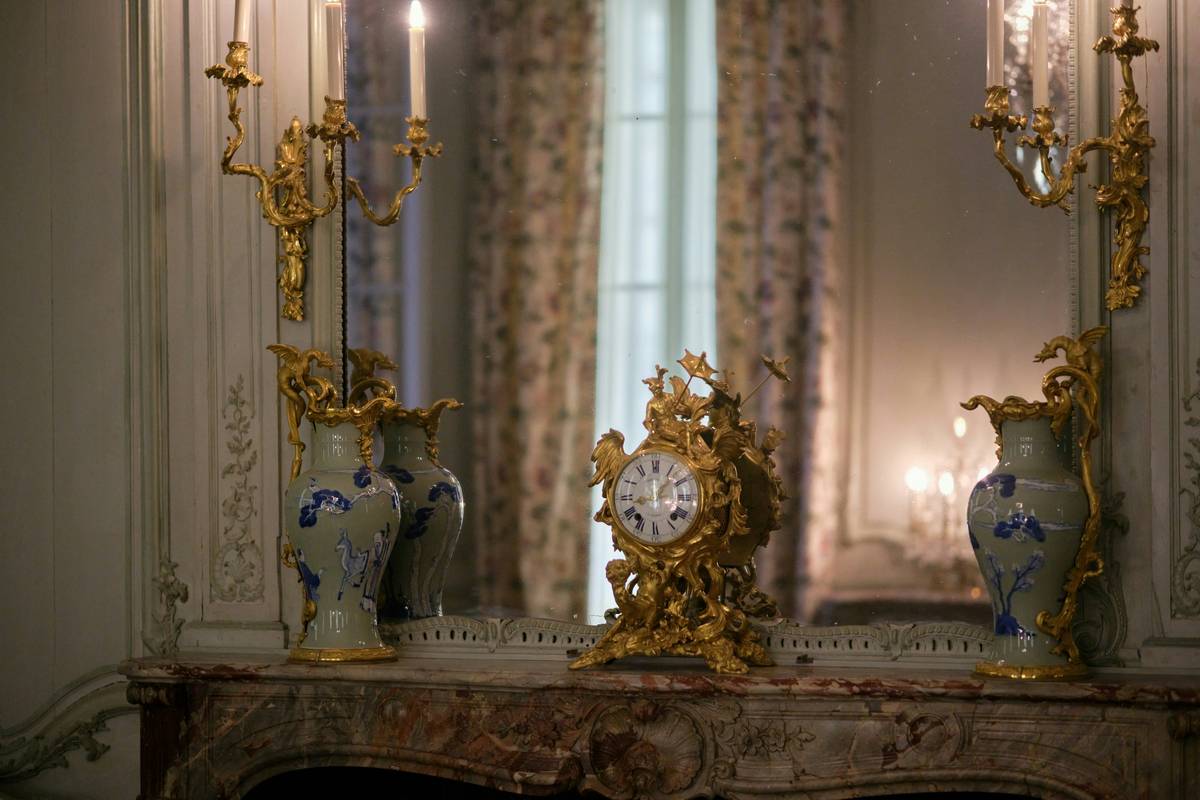
You don’t need everything to match. A brushed nickel clock works beautifully beside matte black lamps if your curtain rods or hardware share that finish. The key is repetition of metal tones, not perfect uniformity.
3. Layer with Purpose
Place your clock slightly off-center. Flank it with items of varying heights—a stack of art books on one side, a small plant on the other. This creates movement and prevents a “showroom” stiffness.
4. Mind the Sound
If your living room doubles as a quiet reading nook or home office, avoid mechanical clocks with loud ticks. Quartz movements are virtually silent and widely available in designer styles.
Best Practices for Choosing & Maintaining Your Clock
- Prioritize readability: Ensure the face is legible from your main seating area—no ornate numerals that blend into the background.
- Clean gently: Dust weekly with a microfiber cloth. Never use chemical cleaners on wood or metal finishes.
- Battery backup: For quartz models, replace batteries annually—even if still working—to prevent leakage damage.
- Avoid direct sunlight: UV rays fade dials and warp wood cases over time.
And here’s a terrible tip I’ve heard too often: “Just buy the cheapest clock online.” Bad idea. Low-quality mechanisms fail within months, and flimsy materials detract from your decor’s perceived value. Invest in craftsmanship—sites like the Metropolitan Museum of Art’s collection database showcase how enduring design transcends trends.
Real-World Examples That Work
In a 2023 case study by Houzz, homeowners who incorporated thoughtfully selected tabletop clocks reported a 42% increase in perceived “coziness” versus rooms with only digital devices. One Brooklyn apartment used a minimalist white ceramic clock on a dark oak credenza—paired with linen throws and dried grasses—to create a calm, gallery-like atmosphere. Another example: a Portland craftsman bungalow featured a reclaimed-wood clock with Roman numerals, echoing the home’s original millwork. Both avoided the #1 decor sin I rant about constantly: treating accessories as filler instead of focal points. Your living room isn’t a storage unit—it’s a stage. Every object should earn its spot.
For more on our design philosophy, visit our About Us page. And if you’re unsure about placement or style, we’d love to help—just contact us for personalized advice.
Frequently Asked Questions
What size tabletop clock works best for a small living room?
Aim for 6–9 inches in height and width. Larger pieces overwhelm compact spaces. Choose light finishes (like brushed gold or white) to enhance airiness.
Are antique tabletop clocks reliable for daily use?
Many are, but they often require professional servicing every 3–5 years. For everyday accuracy, modern reproductions with quartz movements offer vintage aesthetics with reliability.
Can I mix a modern clock with traditional furniture?
Absolutely—if you bridge the gap with shared materials. A sleek black resin clock pairs well with a mahogany desk if both feature subtle geometric lines.
Do tabletop clocks affect room feng shui?
According to classical feng shui principles, functioning clocks symbolize active energy and should be placed in the north or east areas of the living room to support career and health, respectively. Avoid broken or stopped clocks—they represent stagnant chi. (Edgar Cayce Center reference)
How do I clean a tarnished brass clock?
Use a paste of lemon juice and baking soda, applied gently with a soft cloth. Rinse immediately and dry thoroughly. Never submerge the mechanism.
Should I worry about privacy if I buy smart tabletop clocks?
Most decorative tabletop clocks are analog or basic digital—no data collection involved. If you opt for a Wi-Fi-enabled model, review its policy carefully. We always recommend checking our Privacy Policy before sharing personal details online.
Remember: a well-placed clock doesn’t just tell time—it tells a story about who you are. So skip the mass-produced junk, honor your space with intention, and let every tick echo your taste. After all, good design never runs late.