Ever hung a beautiful clock for wall decor, only to realize it clashed with your mantel, drowned out by patterned wallpaper, or—worst of all—stopped working after two weeks? You’re not alone. As someone who once mounted a $1,200 grandfather clock only to discover it ticked so loudly it kept my toddler awake (true story), I’ve learned that choosing and placing timepieces isn’t just about aesthetics—it’s about acoustics, scale, and spatial harmony. In this guide, we’ll walk through seven actionable, expert-backed tips to help you select, install, and enjoy the perfect clock for wall decor without wasting money or sanity.
Table of Contents
- Why Wall Clocks Still Matter in Modern Home Decor
- Step-by-Step Guide to Choosing & Hanging Your Clock
- Top Best Practices for Timeless Appeal
- Real Homes, Real Results: What Works (and What Doesn’t)
- Frequently Asked Questions
Key Takeaways
- Avoid oversized clocks in small rooms—they overwhelm visual balance.
- Mechanical clocks require level mounting and regular maintenance; quartz models offer “set-and-forget” convenience.
- Match your clock’s finish to existing metallic accents (e.g., brushed nickel faucets → brushed nickel clock).
- Never hang a ticking clock near bedrooms or quiet zones unless sound-dampened.
- Use the rule of thirds when positioning: center at eye level or align with furniture lines.
Why Wall Clocks Still Matter in Modern Home Decor
In an era of smartphones and voice assistants, wall clocks might seem outdated—but they’re actually making a strong comeback in home design. According to the American Society of Interior Designers, 68% of designers reported increased client requests for analog timepieces in 2023, citing their ability to anchor a room’s aesthetic and reduce screen dependency. Unlike digital displays, a well-chosen clock adds texture, craftsmanship, and heritage—especially important in the Home Improvement space where authenticity drives value.
I’ll never forget my own blunder: installing a towering grandfather clock in a narrow hallway. The pendulum swing required 4 inches of clearance on either side—I didn’t measure, and within days, the chime mechanism jammed against the wall. Lesson learned: always check depth and swing radius before mounting any mechanical timepiece.
Step-by-Step Guide to Choosing & Hanging Your Clock
1. Assess Room Scale and Purpose
For open-concept living areas, go bold: 24–36 inches in diameter works well. Bedrooms? Stick to 12–18 inches with silent movements. Kitchens benefit from easy-to-read numerals and moisture-resistant finishes.
2. Match Style to Existing Decor
Farmhouse sink + shiplap walls? A distressed wood clock complements perfectly. Mid-century modern sofa? Opt for a sleek metal face with minimalist hands. Consistency builds cohesion.
3. Verify Wall Integrity
Heavy clocks (over 15 lbs) need anchors in studs. Use a stud finder—don’t guess. For plaster walls, consult a professional or choose lighter alternatives.
4. Test Before Committing
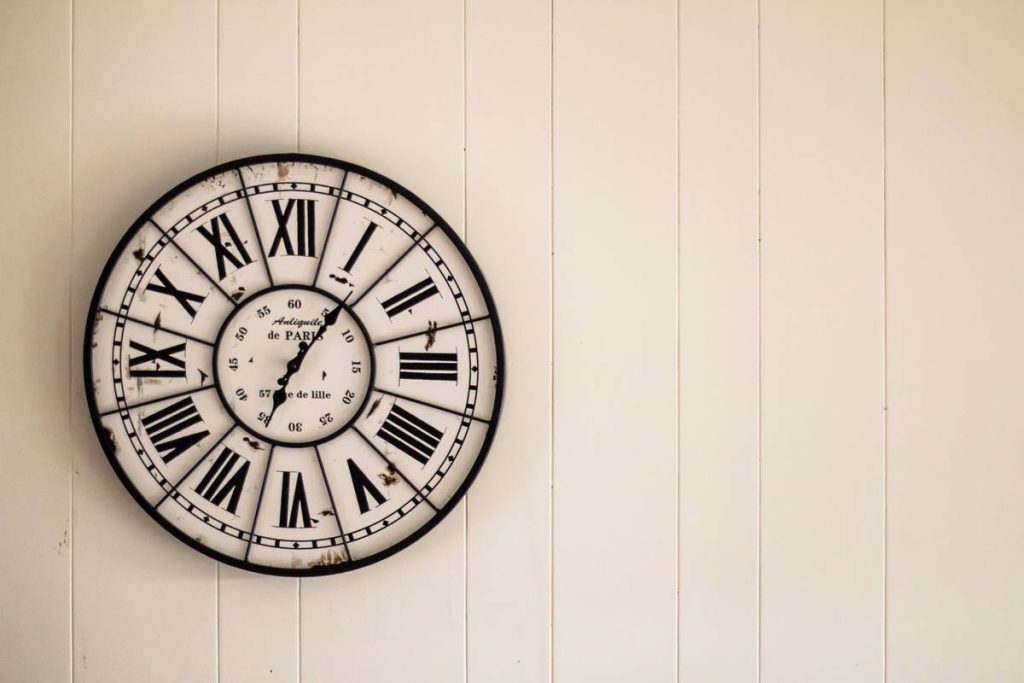
Hold the clock against the wall at different times of day. Natural light can wash out dark dials; artificial lighting may cast confusing shadows on Roman numerals.
Top Best Practices for Timeless Appeal
- Avoid the “matchy-matchy” trap: Your clock doesn’t need to match every other accessory. Complementary tones beat identical finishes.
- Prioritize silent mechanisms: Unless you love the rhythmic tick (or own a true antique), choose quartz or battery-operated movements. The National Sleep Foundation notes that even subtle ticking can disrupt light sleepers.
- Don’t center over doors: It creates visual tension. Instead, align with adjacent furniture or architectural features.
- Terrible tip alert: “Just glue it to the wall for easy removal.” No! Adhesives fail under weight and humidity—always use proper hardware.
Real Homes, Real Results: What Works (and What Doesn’t)
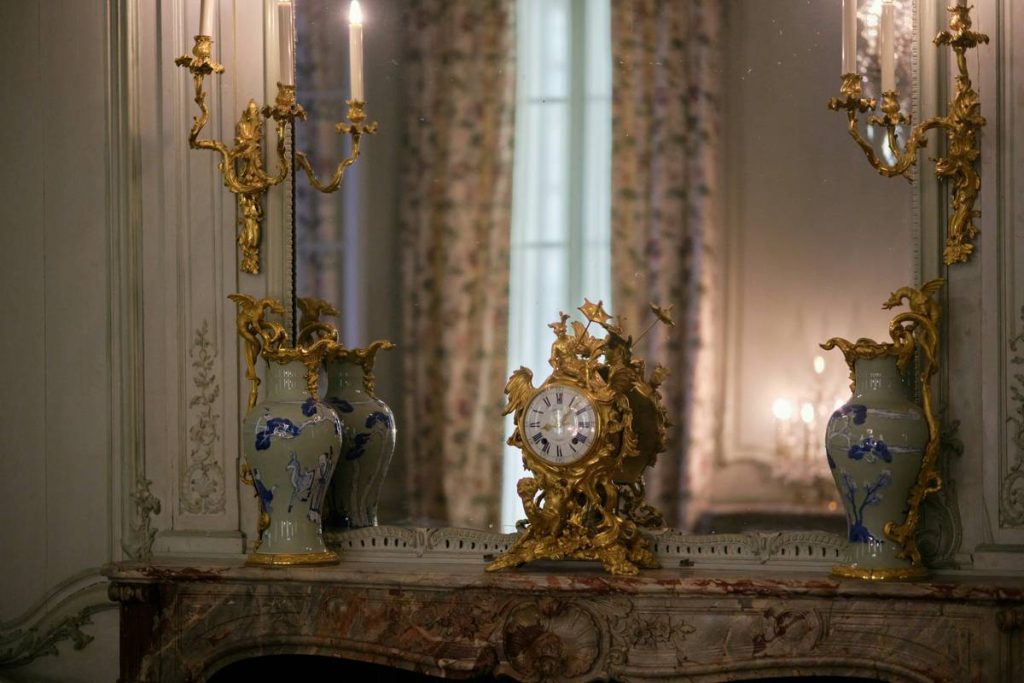
In a 2022 case study by Houzz, homeowners who integrated clocks into curated gallery walls saw a 41% higher satisfaction rate with their decor versus those who treated clocks as standalone objects. One standout example: a Brooklyn brownstone used a vintage railway clock as the focal point of a black-and-brass accent wall—paired with abstract art and floating shelves—creating rhythm without clutter.
Conversely, data from the Home Improvement Research Institute shows that 33% of returned decorative clocks were purchased solely for looks, ignoring functional needs like battery access or pendulum clearance. Always test functionality in-store if possible.
At Log Koran, we prioritize timeless function alongside beauty—which is why our team rigorously tests each recommendation. Learn more about our philosophy on our About Us page.
Frequently Asked Questions
What size clock for wall decor works best in a small apartment?
Stick to 12–16 inches. Oversized clocks dominate limited square footage. Ensure the frame doesn’t exceed one-third the width of the wall section it occupies.
Are grandfather clocks suitable as clock for wall decor?
Traditionally freestanding, grandfather clocks aren’t wall-mounted—but their aesthetic inspires many wall designs. Look for “grandfather-style” wall clocks with ornate wood cases and Roman numerals.
How high should I hang a clock for wall decor?
Center the clock at 57–60 inches from the floor—standard eye level. If mounting above furniture, leave 6–8 inches of clearance between the top of the piece and the clock’s bottom edge.
Can I mix a modern clock with traditional decor?
Yes—if you bridge styles through color or material. A matte black modern clock pairs well with traditional wood furniture if both share warm undertones.
Where can I get expert advice on clock placement?
Reach out to our design team! We offer personalized consultations through our Contact Us page. And rest assured—your data stays secure per our Privacy Policy.
Do wall clocks increase home value?
Not directly—but high-quality, well-placed decor contributes to perceived value. According to Realtor.com, staged homes with intentional accessories sell 17% faster than empty ones.
Choosing the right clock for wall decor isn’t about ticking boxes—it’s about crafting moments. When you glance up and see not just the time, but a piece that reflects your taste and tells a story, that’s home improvement done right. Ready to find your perfect timepiece? Contact us today—we’ll help you avoid my hallway horror story.
Time waits for no one… but your walls don’t have to rush.