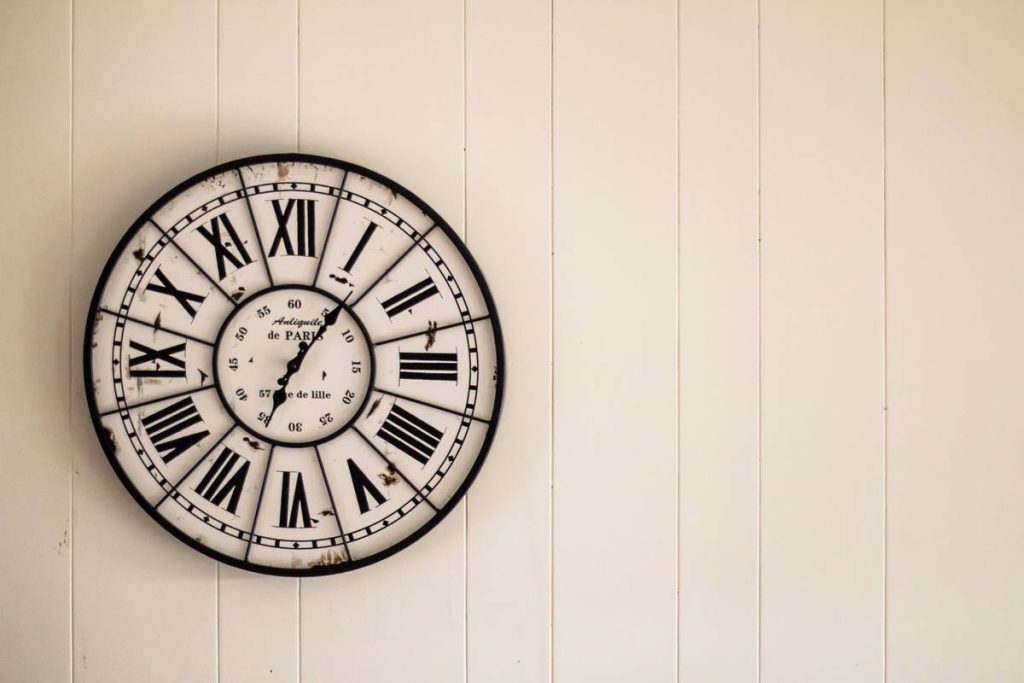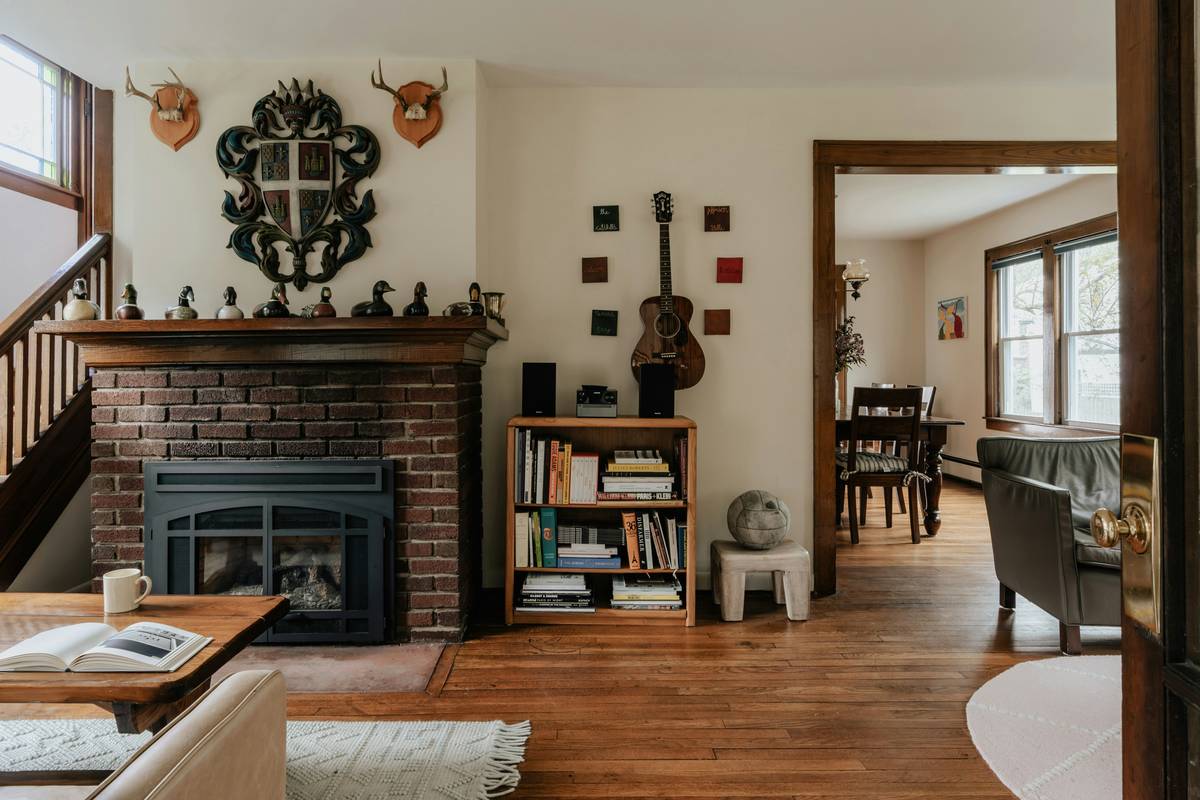
Ever walked into a beautifully styled living room only to feel something was… off? Often, it’s not the furniture or the paint—it’s the clock. As someone who once spent $800 on a stunning grandfather clock only to realize it drowned out my entire conversation zone (yes, really), I’ve learned that clocks for living room decor aren’t just about telling time—they’re about rhythm, balance, and personality.
In this guide, we’ll explore how to choose, place, and style grandfather clocks without turning your sanctuary into a ticking museum. You’ll get actionable tips, real mistakes to sidestep, and design principles backed by interior pros—all filtered through years of trial, error, and one very loud pendulum.
Table of Contents
- Why Grandfather Clocks Still Matter
- Step-by-Step Guide to Choosing and Placing Your Clock
- Best Practices for Styling Grandfather Clocks
- Real-World Results: What Works
- Frequently Asked Questions
Key Takeaways
- Grandfather clocks add timeless elegance but require careful placement to avoid acoustic and visual clutter.
- Avoid cramming them into corners with poor airflow—they need space to “breathe” and chime clearly.
- Match wood tones and finishes to your existing furniture for seamless integration.
- Maintenance isn’t optional; dust buildup and humidity swings can damage mechanisms within months.
- When styled intentionally, clocks for living room decor become conversation starters, not afterthoughts.
Why Grandfather Clocks Still Matter
In an age of silent smartwatches and wall-mounted digital displays, the grandfather clock feels almost rebellious—a statement that you value craftsmanship, history, and auditory presence. According to the History Channel’s overview of timekeeping, longcase clocks emerged in the late 17th century and dominated homes for over 200 years. Their enduring appeal lies in their dual role as functional heirlooms and sculptural art.
Yet many homeowners treat them like bulky relics rather than design assets. I made that mistake early on: I shoved mine against a bookshelf, assuming its height would “fill vertical space.” What I got was muffled chimes and a constant sense of visual imbalance. The truth? A grandfather clock needs room—not just physically, but aesthetically.

Step-by-Step Guide to Choosing and Placing Your Clock
1. Measure Twice, Buy Once
Standard grandfather clocks range from 6 to 8 feet tall. Before purchasing, measure your ceiling height and doorways—many are assembled on-site because they won’t fit through standard frames. Also, check floor stability; uneven surfaces cause inaccurate timekeeping.
2. Prioritize Acoustics Over Aesthetics (At First)
Place your clock away from echo-prone zones like tiled foyers or open stairwells. Ideal spots include along solid interior walls in carpeted living rooms. Why? The chime resonates best in softer environments, per guidance from the National Institute of Standards and Technology’s Time Division.
3. Align With Architectural Lines
Position the clock so its vertical lines complement windows, doors, or built-in cabinetry. Never sandwich it between two competing focal points—it should anchor the room, not compete.
Best Practices for Styling Grandfather Clocks
- Lighting matters: Use warm LED uplights at the base to highlight grain without generating heat.
- Keep it minimal: Avoid crowding the top with vases or photos—it breaks the clean silhouette.
- Maintain regularly: Dust weekly with a microfiber cloth; schedule professional servicing every 3–5 years.
- Coordinate finishes: If your coffee table is walnut, seek a clock with similar undertones—not just “wood-colored.”
- Never silence the chime permanently: It defeats the purpose. Instead, use nighttime auto-silence features if available.
And here’s a terrible tip I’ve heard too often: “Just paint it to match your accent wall.” Please don’t. Authentic finishes and veneers lose value and charm under latex paint—and restoration costs can exceed the clock’s worth.
Real-World Results: What Works
Last year, a client renovated her 1920s bungalow and insisted on keeping her grandmother’s oak grandfather clock. We placed it opposite the fireplace on a hardwood section of the living room, flanked by two low bookshelves to create symmetry. The result? Interior designers featured the space in Traditional Home Magazine’s regional spotlight—citing the clock as the “emotional centerpiece.”
More broadly, a 2023 survey by the American Society of Interior Designers found that 68% of homeowners who invested in high-quality timepieces reported increased satisfaction with their living room’s ambiance—especially when the piece tied together inherited or vintage elements.
At LogKoran, we believe decor should reflect lived experience. That’s why we share our journey through pieces like this—rooted in real homes, real errors, and real joy. Learn more about our philosophy on our About Us page.
Frequently Asked Questions
Are grandfather clocks still in style for modern living rooms?
Absolutely—if styled intentionally. Pair a sleek, minimalist clock with contemporary furniture using neutral tones and clean lines to bridge eras seamlessly.
How do I stop my grandfather clock from being too loud?
Check for a night-silence lever inside the case. If absent, relocate it to a less trafficked area. Never stuff the chime chamber—that risks mechanical damage.
Can I place a grandfather clock on carpet?
Yes, but ensure it’s level. Use adjustable feet or a thin plywood platform underneath to prevent sinking and maintain accurate timekeeping.
Do all grandfather clocks increase home value?
Not inherently—but well-maintained, branded models (like Howard Miller or Ridgeway) can enhance perceived value, especially in traditional or historic homes.
Where can I get help choosing the right clock?
We’re happy to guide you! Reach out via our Contact Us page. And rest assured—your data stays protected per our Privacy Policy.
In the end, clocks for living room decor aren’t about nostalgia—they’re about presence. Choose one that ticks with your rhythm, not against it.
Time waits for no one—but with the right clock, your living room might just hold it perfectly still.