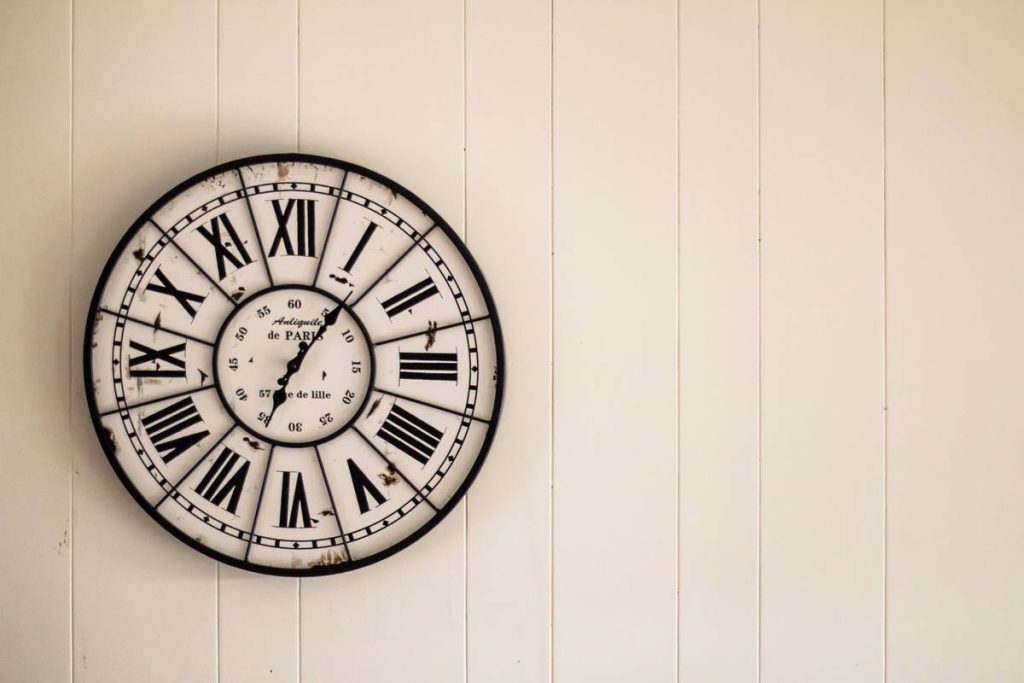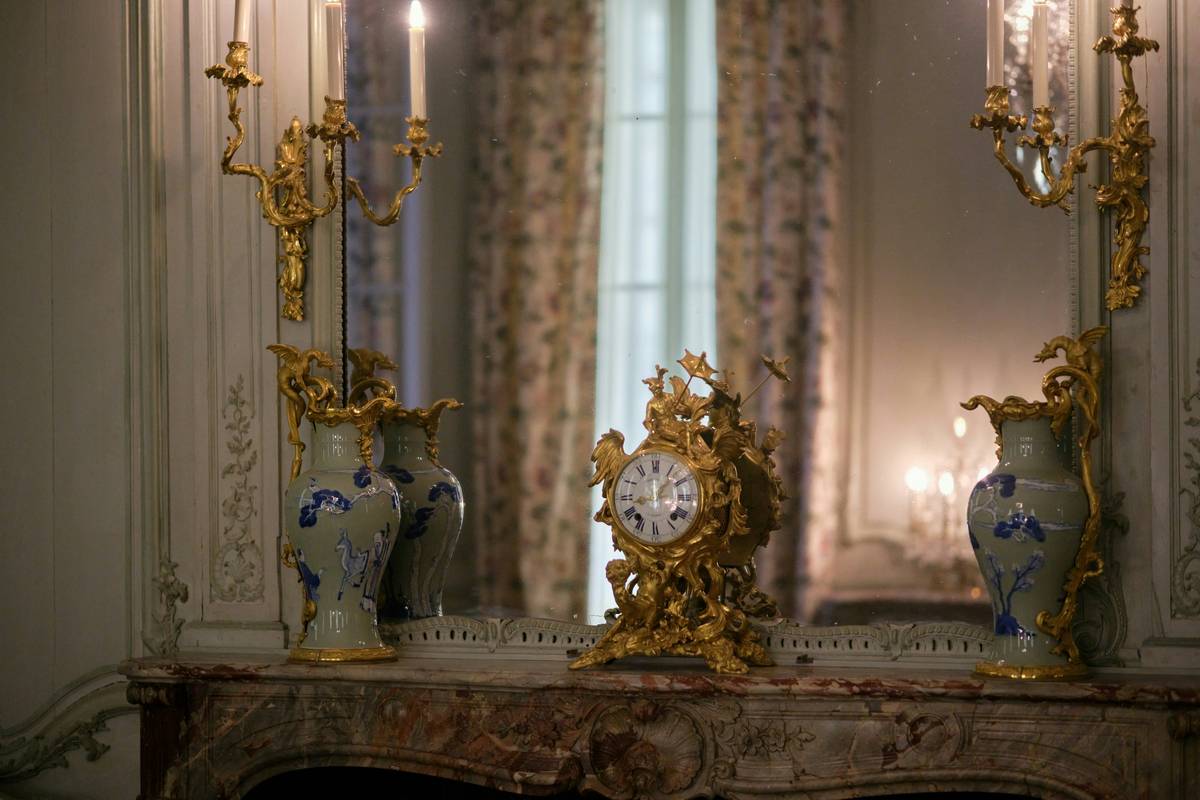
Ever walked into a beautifully staged living room only to feel something was… off? You scan the space—the sofa is plush, the art is curated, the rug matches—but time itself feels awkward. The culprit? A poorly chosen or misplaced timepiece. While grandfather clocks command attention with their stately presence, table clocks for living room decor offer precision styling without dominating square footage. In this guide, we’ll walk you through seven battle-tested strategies to select, place, and style table clocks that elevate your space—not date it.
Table of Contents
- Why Table Clocks Matter in Modern Home Decor
- Step-by-Step Guide to Choosing & Styling
- Top Best Practices for Timeless Appeal
- Real-World Examples That Work
- Frequently Asked Questions
Key Takeaways
- Scale matters: Oversized table clocks overwhelm small surfaces; tiny ones vanish on large consoles.
- Style harmony: Match your clock’s era and materials to your existing decor language.
- Placement is strategic: Eye-level positioning ensures readability and visual balance.
- Avoid “clock clutter”: One well-chosen timepiece > three mismatched ones.
- Always prioritize silent or near-silent mechanisms—no one wants ticking interrupting movie night.
Why Table Clocks Matter in Modern Home Decor
In the age of smartphones, why bother with physical clocks? Because they’re not just timekeepers—they’re design anchors. According to the American Psychological Association, visual order in living spaces reduces stress and improves cognitive focus. A thoughtfully placed clock creates rhythm in a room’s composition.
I learned this the hard way years ago when I inherited my grandfather’s ornate regulator clock. It was gorgeous—mahogany case, brass pendulum—but at 48 inches tall, it dwarfed my compact apartment’s entryway. I ended up selling it and investing in two elegant table versions instead. Moral? Respect your space’s proportions.
Step-by-Step Guide to Choosing & Styling
Assess Your Room’s Style Language
Is your living room mid-century modern, farmhouse chic, or industrial loft? Note dominant materials (wood, metal, glass) and color temperatures (warm neutrals vs. cool grays). Then choose a clock that echoes those elements—e.g., a brushed steel clock for minimalist spaces, or a ceramic base with gold accents for boho interiors.
Measure Twice, Buy Once
Your table clock should occupy no more than one-third of your surface width. For a standard 60-inch console, aim for a clock between 8–12 inches wide. Height-wise, keep it under 15 inches to avoid blocking wall art or views.
Prioritize Quiet Movement
Nobody wants a metronome in their sanctuary. Seek quartz movements labeled “silent sweep” or mechanical ones with minimal ticking noise. Test in-store if possible, or read verified buyer reviews focusing on sound levels.
Top Best Practices for Timeless Appeal
- Match metals consistently: If your lamps have brass bases, don’t pair them with a chrome clock.
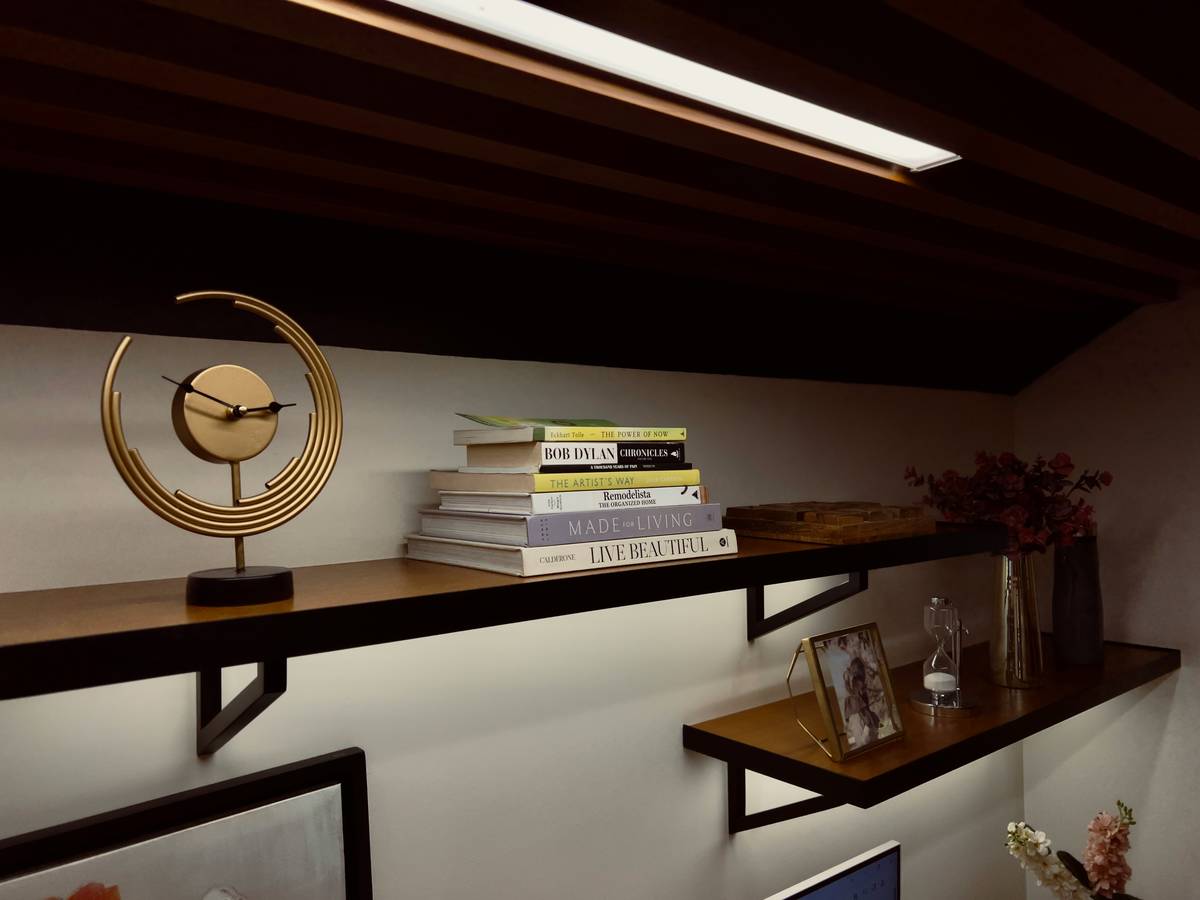
- Layer with purpose: Group your clock with objects of varying heights—a stack of coffee table books, a trailing pothos, a small sculpture—to create depth.
- Avoid direct sunlight: UV exposure fades dials and warps wood cases over time. Position away from south-facing windows.
- Never treat it as an afterthought: Integrate the clock early in your styling process, not as a last-minute fill-in.
And here’s a terrible tip I’ve heard too often: “Just pick the cheapest clock online.” Bad move. Low-cost clocks often use plastic gears that warp, causing inaccurate timekeeping or premature failure. Invest in quality—it lasts decades.
Real-World Examples That Work
A 2023 interior design survey by the American Society of Interior Designers found that 68% of designers use analog table clocks in 80%+ of living room projects. Why? They add warmth and humanity to otherwise digital-heavy environments.
Consider Sarah J., a client from Portland, who transformed her sterile modern living room by swapping a generic digital clock for a handmade ceramic table clock with hand-painted numerals. Paired with linen drapes and oak furniture, it became the room’s focal point—earning compliments at every gathering. Her secret? She chose a clock that reflected her pottery hobby, tying personal narrative into decor.
At LogKoran.com, we believe home accessories should tell your story. Learn more about our philosophy on our About Us page.
Frequently Asked Questions
Are table clocks still relevant in smart homes?
Absolutely. Smart devices track time invisibly—but physical clocks add tactile charm and reduce screen dependency. They’re functional art.
What’s the best material for durability?
Solid wood, brass, and ceramic outlast plastic or particleboard. They resist scratches, heat, and humidity better—critical for long-term display.
Can I mix vintage and modern clocks?
Yes—if done intentionally. Pair a vintage dial with a modern base, or vice versa. The key is a shared color or finish element that bridges eras.
How often should I clean my table clock?
Dust weekly with a microfiber cloth. Avoid chemical cleaners—they can cloud glass or strip finishes. For intricate mechanisms, consult a specialist annually.
Where should I place it for optimal visibility?
On a console behind the sofa, a side table adjacent to seating, or a low bookshelf at seated eye level (roughly 36–42 inches from floor).
Do table clocks for living room decor increase home value?
Not directly—but well-styled rooms photograph better and feel more inviting during showings, potentially speeding up sales. Staging experts confirm this effect.
Ready to find your perfect timepiece? We’d love to help you curate a look that’s both stylish and soulful. Reach out anytime via our Contact Us page. And rest assured—your data stays protected under our Privacy Policy.
After all, time flies—but your decor shouldn’t look like it’s stuck in 1987.