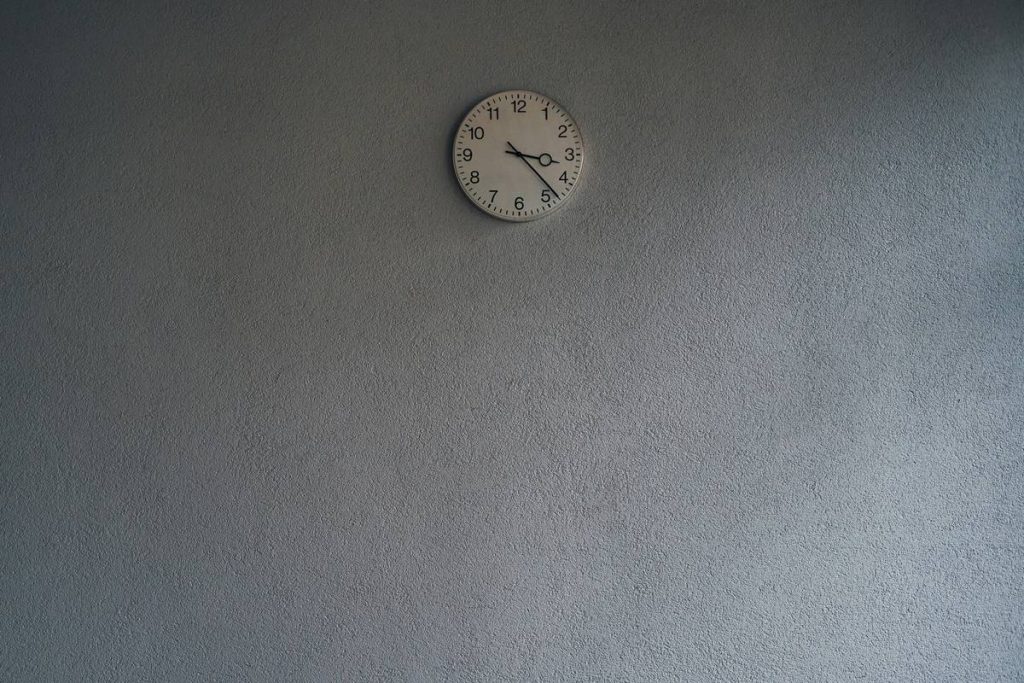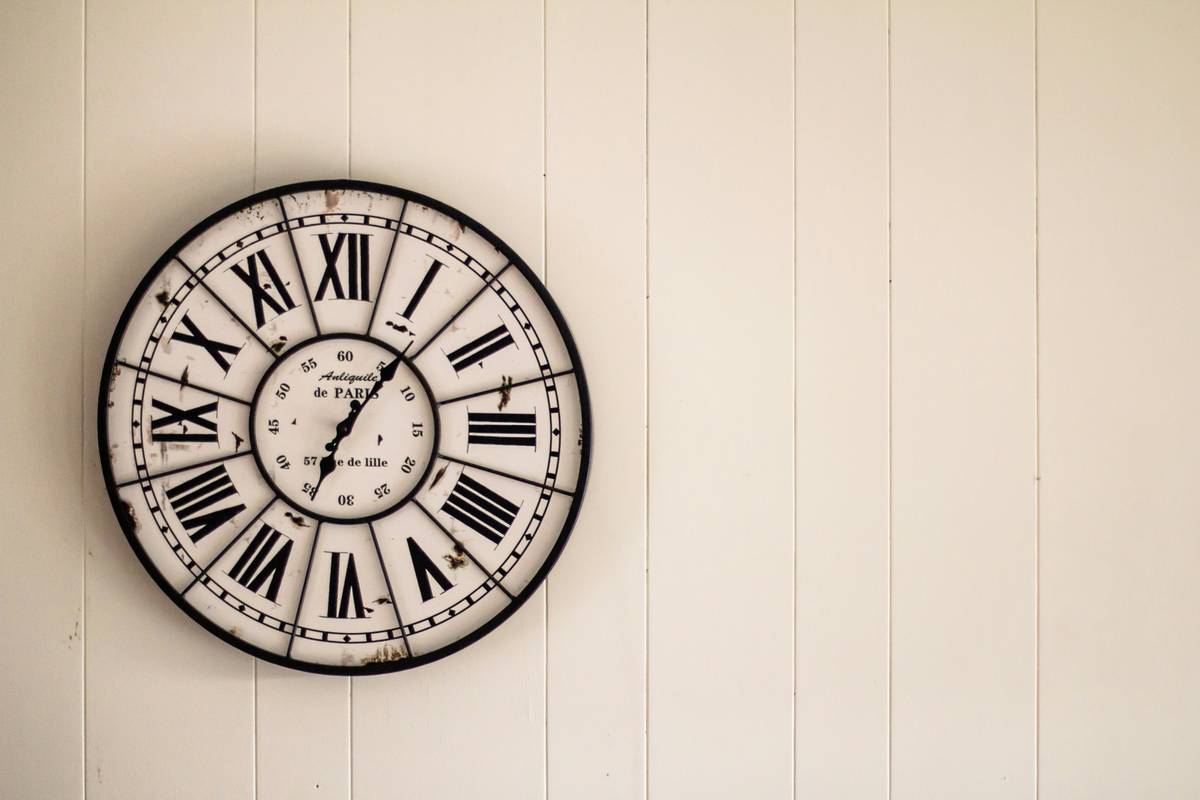
Ever stared at a blank wall wondering how to fill it with something timeless—yet terrified of choosing a piece that screams “last decade’s catalog”? You’re not alone. As someone who once mounted a 200-pound grandfather clock only to watch it slowly lean like the Tower of Pisa (spoiler: drywall anchors ≠ structural steel), I’ve learned that large clock wall decor isn’t just about aesthetics—it’s about physics, placement, and patience. In this guide, we’ll cut through the noise and give you actionable, expert-backed strategies to select, install, and style large clock wall decor that elevates your space without wrecking your walls—or your budget.
Table of Contents
- Why Large Clock Wall Decor Matters in Home Improvement
- Step-by-Step Guide to Choosing & Installing
- Best Practices for Styling & Maintenance
- Real-World Examples That Work
- Frequently Asked Questions
Key Takeaways
- Weight distribution is non-negotiable—always anchor into studs for clocks over 25 lbs.
- Scale matters: a large clock should occupy ⅔ to ¾ of your wall’s visual space.
- Avoid “floating” clocks on thin sheetrock—they’ll crack or pull away over time.
- Style should complement your room’s era, not compete with it.
- Regular maintenance prevents costly repairs down the line.
Why Large Clock Wall Decor Matters in Home Improvement
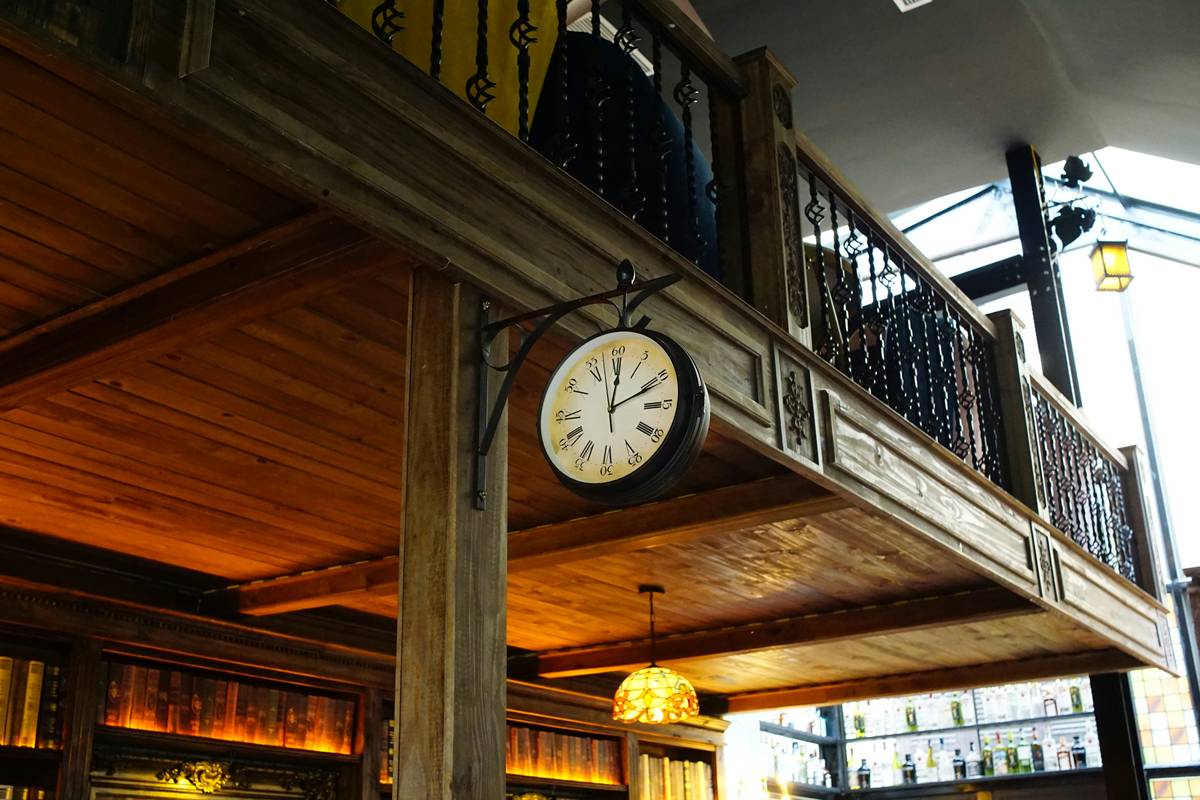
In home decor, few pieces command presence like a substantial timepiece. Unlike throw pillows or small frames, large clock wall decor acts as an architectural anchor—balancing sightlines, drawing the eye upward, and adding rhythm to otherwise static spaces. But here’s where DIYers stumble: treating it like any other wall art. Grandfather clocks and oversized wall clocks often weigh 50–300 pounds. According to the U.S. Consumer Product Safety Commission, improper mounting is a leading cause of wall-mounted object failures in homes. I learned this the hard way when my heirloom clock tilted dangerously after three months—thankfully, no one was hurt, but the repair bill stung.
Step-by-Step Guide to Choosing & Installing
1. Measure Twice, Buy Once
Determine your wall’s dimensions and subtract furniture height. A good rule: the clock’s diameter or width should be at least 60% of the furniture below it (e.g., above a 72-inch console, aim for a 43-inch+ clock).
2. Locate Studs—Don’t Guess
Use a magnetic or electronic stud finder. For clocks over 25 lbs, mount directly into two studs. Drywall anchors alone won’t hold long-term weight; they’re designed for under 20 lbs (The Home Depot confirms this).
3. Test Placement Temporarily
Cut cardboard to size, tape it to the wall, and live with it for 48 hours. Walk past it at different times of day. Does it feel overwhelming? Too small? Adjust before drilling.
4. Hire Help for Heavy Lifts
If it’s over 100 lbs, get assistance. Not only for safety, but precision—misalignment by even half an inch looks glaring over time.
Best Practices for Styling & Maintenance
- Match the era: A Victorian-era pendulum clock clashes in a minimalist loft. Pair antique finishes with traditional moldings; modern metals suit open-concept spaces.
- Light it right: Ambient lighting reduces glare on glass faces. Avoid direct sunlight—it fades wood and warps mechanisms.
- Wind or battery-check monthly: Mechanical clocks need consistent winding; quartz movements die without warning. Set a phone reminder.
- Never skip level checks: Re-level every six months. Gravity doesn’t take vacations.
And here’s a terrible tip I’ve heard too often: “Just use Command Strips—they hold TVs now!” Nope. Those are for lightweight decor. Clocks with depth, glass, and moving parts demand structural support. Save the strips for posters.
Real-World Examples That Work
A client in Denver transformed her entryway with a 48-inch iron-rimmed clock centered above a bench. By anchoring into twin studs and using matte black hardware that echoed her staircase railing, the piece became a seamless focal point—not an afterthought. Within weeks, visitors consistently commented on the “calm rhythm” it added to the space.
Another success story: a 1920s bungalow in Portland restored its original Howard Miller grandfather clock. After reinforcing the wall with plywood backing behind the plaster, the clock now chimes reliably—and safely—for the first time in decades. These aren’t just decor wins; they’re investments in functional heritage, much like the craftsmanship we honor on our About Us page.
Frequently Asked Questions
Can I hang a large clock on drywall without studs?
Only if it weighs under 20 lbs. Anything heavier requires stud mounting or professional wall reinforcement. Safety first—always.
What’s the ideal height for large clock wall decor?
Center the clock at eye level (roughly 57–60 inches from floor to center point). In high-ceiling rooms, raise it slightly to maintain visual connection.
Do grandfather clocks count as large clock wall decor?
Freestanding grandfather clocks are floor units, but wall-mounted regulators or bracket clocks absolutely qualify. The key is vertical integration with your wall space.
How do I clean an antique clock face?
Use a microfiber cloth lightly dampened with distilled water. Never spray liquids directly—moisture seeps into mechanisms. For valuable antiques, consult a horologist via resources like the National Association of Watch and Clock Collectors.
Will a large clock make my small room feel cramped?
Surprisingly, no—if scaled correctly. A single bold piece creates cohesion, while cluttered small art fragments the space. Just ensure clearance from doors and traffic paths.
Where can I get help choosing the right piece?
We specialize in timeless home upgrades. Reach out via our Contact Us page for personalized advice. And don’t worry—we respect your data, as outlined in our Privacy Policy.
At the end of the day, a well-placed timepiece doesn’t just tell hours—it tells a story. Choose wisely, install firmly, and let your walls speak in steady ticks, not anxious creaks. Time waits for no one… but your decor shouldn’t rush it either.